Gynecology cases
The Role of Visual Learning in Gynecology: Enhancing Medical Education
Gynecology is a crucial field within medicine that focuses on the diagnosis, treatment, and management of conditions affecting women’s reproductive health. As a specialized branch closely linked with obstetrics, gynecology encompasses a broad spectrum of clinical cases, ranging from routine examinations to complex gynecology cases requiring extensive diagnostic and therapeutic interventions. Given the complexity of gynecological conditions, the use of visual aids, including images, illustrations, and videos, plays an indispensable role in educating medical doctors. The integration of these resources enhances comprehension, improves diagnostic accuracy, and strengthens the connection between theoretical knowledge and clinical application.
The Necessity of Visual Resources in Gynecology Training
Medical education in gynecology necessitates a deep understanding of both common and rare conditions affecting the female reproductive system. Many case reports and peer-reviewed studies emphasize the importance of diagnostic imagery, particularly when reviewing gynecological conditions that present with subtle or overlapping symptoms. For instance, pelvic inflammatory disease (PID), a prevalent infection among women, may manifest with nonspecific signs that can be challenging to diagnose based on clinical evaluation alone. Ultrasound and MRI images aid in verification, ensuring that the correct diagnosis is reached before proceeding with treatment.
A significant advantage of visual learning is the ability to verify conditions accurately. Before completing a diagnosis, physicians must compare clinical findings with verified images to confirm their suspicions. Verification successful waiting for additional testing can help prevent misdiagnosis, ultimately improving patient management. Moreover, visual aids enable doctors to recognize patterns in gynecological conditions, a skill essential for timely and effective intervention.
Case-Based Learning: Enhancing Retention and Application
One of the most effective methods of teaching gynecology is through case-based learning, where physicians analyze real-world gynecology cases documented in journals and other peer-reviewed sources. By studying images accompanying case reports, medical doctors can enhance their understanding of disease presentations and variations. This approach allows practitioners to respond effectively in clinical settings, recognizing conditions based on both textbook descriptions and real patient presentations.
For example, a peer-reviewed journal may publish a case involving an unusual presentation of ovarian torsion. The inclusion of laparoscopic images in the report provides a clear visual representation of the condition, allowing gynecologists to familiarize themselves with the telltale signs. This knowledge becomes invaluable when proceeding with patient care, as early detection and surgical intervention can be lifesaving.
Bridging the Gap Between Theory and Practice
The integration of images in gynecology education strengthens the connection between theoretical learning and clinical application. While textual descriptions provide foundational knowledge, they often fall short of conveying the intricacies of real-life medical scenarios. Studies have shown that visual learning significantly improves diagnostic accuracy and enhances retention among medical students and practicing physicians alike.
Furthermore, in the digital age, gynecology has embraced the use of technology to enhance education. Authors of medical textbooks and journal articles frequently incorporate high-resolution images, 3D reconstructions, and even virtual reality simulations to aid learning. Completing training programs without access to these tools would place physicians at a disadvantage, as visual learning has been discovered to be a key component in mastering complex gynecological procedures.
Conclusion
Gynecology is a field that requires precision, critical thinking, and a keen ability to recognize diverse clinical presentations. Visual learning tools, including diagnostic images, procedural videos, and case-based illustrations, have transformed medical education, providing essential insights that enhance both learning and practice. By utilizing these resources, doctors can verify diagnoses, respond more effectively to challenging cases, and proceed with the best possible patient management strategies. The role of images in gynecology education is not merely supportive but essential in bridging the gap between theoretical knowledge and real-world medical action, ensuring that practitioners are well-equipped to provide high-quality care in a rapidly evolving world.


Colposcopy - CIN1
Medical photo showing low-grade cervical intraepithelial neoplasia (CIN 1) in colposcopic examination after application of acetic acid. The entire epithelial border visible on the photo. Abnormal transformation...

Huge Leiomyoma Uteri
36weeks size leiomyoma Uteri in a newly married woman desirous of pregnancy - myomectomy via extended pfannensteil incision.

Ectopic Pregnancy Frames for Surgery - Clinical...
Laparoscopic management of a tubal ectopic pregnancy. After initial survey and evacuation of hemoperitoneum to improve exposure, the affected tube is identified and the mesosalpinx is controlled progressively...


Nuchal Cord (Four Turns of the Umbilical Cord)
An alive female term fetus (40 weeks) with a nuchal cord (four turns of the umbilical cord). She was born by cesarean section in Sarem Women's Hospital (Tehran, Iran), and her Apgar score was 9/10.

Removing the Fallopian / Uterine Tube (Salpingectomy)
Salpingectomy performed for an ectopic pregnancy.

Huge Myoma - Myomectomy
Huge multiple myoma - myomectomy done for a 35years old para 0 lady with a 36 weeks size uterine mass. Mass removed via an extended Pfannensteil incision.

Abdominal Myomectomy
25year, single lady with excessive abnormal uterine bleeding. Her MRI revealed Hugh Myoma about 20*15*5cm . Abdominal Myomectomy with preservation of the uterus done.

Abdominal Myomectomy
25year, single lady with excessive abnormal uterine bleeding. Her MRI revealed Hugh Myoma about 20*15*5cm . Abdominal Myomectomy with preservation of the uterus done.

Myomectomy of Hugh Myoma with Preservation of...
25 year, single lady with excessive abnormal uterine bleeding. Her MRI revealed hugh myoma about 20*15*5cm . Abdominal myomectomy with preservation of the uterus done.

HSG Septate Uterus
The impact of a septate uterus is most apparent on miscarriages. Of patients with a uterine septum, 25.5% had a miscarriage, and surgical treatment is most effective, the septate uterus has a major impact...


Cervical adenocarcinoma (carcinoma glandulare...
Case: 70 years old patient. Vaginal bleeding has been variable in intensity for 2 years. Last gynecological visit 20 years ago. Cytology results showed no suspicious changes. A biopsy was performed. Histopathological...

Colposcopy - Mosaic Pattern (CIN3)
Medical image showing severe cervical intraepithelial neoplasia (CIN 3) in colposcopic examination after application of acetic acid and with a green filter. Mosaic vessels present.


Users


Channels
-

High Impact - Medical Animation
medical institution
-

Hysteroscopy
medical institution
-

Corza TachoSil Quill
commercial institution
-

The Society of Elite Laparoscopic Surgeons
medical institution
-

Society of Laparoscopic and Robotic Surgeons (SLS)
medical institution
Popular
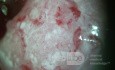
Colposcopy - Mosaic Pattern (CIN3)
Jarosław Maj
views: 16935

Colposcopy - CIN3
Jarosław Maj
views: 11680
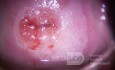
Colposcopy - CIN1
Jarosław Maj
views: 11211
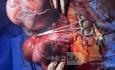
Huge Leiomyoma Uteri
Lilian Ajakaiye
views: 1053
Recently active users
-

Giovanni Larciprete
MD, PhD.
-

-
David Rawaf
MD
-
-


Are you Health Professional?
Register now, join the community for free access.
GET ALL THE BENEFITS THAT MEDTUBE PLATFORM OFFERS:
- Unlimited access to the largest e-library of professional videos, images, publications, courses
- Connect with peers 450,000+ Healthcare Professionals from 180 countries
- Upload and share your own cases, ask questions and discuss
- Create your professional profile and build personal recognition worldwide
- Stay up-to-date with innovative techniques, treatments, guidelines, discoveries in your fields of interest; be notified
- You are informed about innovative treatments, techniques and innovations in medicine