general surgery cases
Introduction to General Surgery
General surgery is a foundational medical specialty that focuses on the surgical treatment of a wide range of medical conditions involving the abdominal organs, soft tissues, skin, breast, and neck, among others. While many surgical specialties concentrate on specific organs or systems, general surgery encompasses a broad scope of surgical procedures and conditions. General surgeons are trained to perform surgeries involving common ailments such as appendicitis, hernia, gallbladder disease, external hemorrhoids, and various forms of cancer, including breast cancer.
Through years of medical school, additional training, and experience in the operating room, general surgeons develop the expertise necessary to diagnose, treat, and manage diverse medical conditions. With advancements in technology, the field has increasingly incorporated minimally invasive techniques, such as laparoscopic surgery and robotic surgery, which offer shorter recovery times and fewer complications for patients.
The Role of Imaging in Surgical Education
High-quality imaging and surgical video demonstrations play a critical role in educating future surgeons. Platforms like MEDtube, surgical journals, and academic resources provide access to visual case libraries, enabling doctors to study general surgery cases in detail. These images allow learners to visualize the anatomy, pathology, and procedural steps, especially in complex surgeries like appendectomy, hernia repairs, or surgical removal of tumors in the liver, colon, or stomach.
For instance, a case of abdominal pain suspected to be appendicitis can be taught more effectively through intraoperative images or videos. Visuals showing tiny incisions, the flexible tube used in laparoscopy, and the diseased appendix enhance comprehension far beyond textual descriptions. This approach is especially important for minimally invasive procedures, where tactile feedback is limited and visual recognition of structures becomes paramount.
Common Surgical Procedures in General Surgery
General surgeons routinely perform a variety of common surgical procedures, including:
-
Appendectomy – Surgical removal of an inflamed appendix due to appendicitis.
-
Cholecystectomy – Removal of the gallbladder, often for gallstones or infection.
-
Hernia repairs – Treatment of abdominal wall weaknesses, including inguinal, umbilical, and incisional hernias.
-
Skin grafts – Used to replace damaged skin following traumatic injuries or burns.
-
Surgical treatment for external hemorrhoids, breast cancer, and soft tissue tumors.
These procedures can be performed via traditional open surgery or through minimally invasive techniques such as laparoscopic or robotic-assisted approaches. The choice depends on the patient's condition, surgical intervention required, and the surgeon’s experience.
Laparoscopic and Robotic Surgery
Laparoscopic surgery—a type of minimally invasive procedure—has revolutionized general surgery. Using small keyhole incisions, general surgeons insert a flexible tube equipped with a camera and surgical instruments to view and operate inside the body. These procedures minimize tissue trauma, reduce pain, lower the risk of infection, and shorten hospital stays.
Robotic surgery takes these benefits further by using robotic arms controlled by the surgeon. The robotic system enhances precision, especially in confined spaces or delicate structures like the lower esophagus or liver. The technology offers an advanced interface with 3D imaging and improved dexterity, allowing the surgeon to perform surgeries that were once considered too complex through minimally invasive methods.
Diagnosing and Treating Cancer
In general surgery, one of the critical roles is the surgical removal of tumors. Surgical management of breast cancer, colon cancer, and liver metastases is central to cancer care. A doctor must evaluate the extent of disease using imaging, laboratory results, and patient history before planning surgery.
Images play a fundamental role in determining tumor location, blood supply, and relationship to nearby structures. Surgical education heavily relies on annotated images and procedural videos to demonstrate proper dissection planes, oncologic margins, and lymph node dissections. These visual aids support decision-making and contribute to better oncologic outcomes.
Managing Traumatic Injuries and Emergency Surgery
Emergency surgery is a cornerstone of general surgery. Traumatic injuries involving the internal organs, abdominal cavity, or neck require rapid assessment and action. For example, a patient presenting with blunt abdominal trauma may need immediate exploratory surgery to control bleeding from the liver or spleen. Real-time imaging—such as CT scans or focused ultrasound—can guide surgical intervention and improve outcomes.
Educational materials including trauma surgery videos and case-based discussions help prepare surgeons to react efficiently under pressure. These general surgery cases often involve time-sensitive decisions where understanding anatomic variation and visual clues is vital.
Hernia Repairs and Functional Restoration
Hernias, a common issue treated by general surgeons, occur when an organ or tissue pushes through a weak spot in the abdominal wall. Symptoms often include abdominal pain, especially with activity. Repairs may involve open or minimally invasive procedures, depending on the hernia’s size, location, and patient history.
Educational modules frequently utilize diagrams and surgical footage to demonstrate mesh placement, closure techniques, and handling of complications like recurrence or infection. Seeing the technique applied in real-time enhances the learner’s ability to replicate the procedure and ensure the abdominal wall can function properly again.
Surgical Specialties and Collaborative Training
General surgery serves as a foundation for various surgical specialties, such as vascular surgery, cardiothoracic surgery, and surgical oncology. During medical school and residency, trainees rotate through these disciplines to gain comprehensive exposure. The American College of Surgeons supports this model by promoting standardized curricula with access to digital libraries filled with procedural images, case studies, and technique comparisons.
These training materials allow learners to witness the management of common surgical procedures, including treatment of external hemorrhoids, damaged skin, or tumors, enhancing their surgical judgment and technical confidence.
Postoperative Recovery and Return to Normal Activities
One of the key advantages of minimally invasive and robotic surgery is improved postoperative recovery. Smaller incisions mean less pain, reduced infection risk, and quicker return to normal activities. Patients can often leave the hospital within a day and resume work in less time compared to traditional approaches.
Images depicting healing incisions, expected scarring, and proper wound care protocols help both patients and healthcare providers understand what to expect. These visual aids are particularly effective when educating patients about post-surgical care, complications, and when to seek help.
The Future of Visual Learning in Surgery
The future of general surgery education is deeply rooted in visual learning. Platforms like MEDtube, surgical simulation software, and virtual reality are transforming how surgeons learn and retain knowledge. With access to real surgical footage, annotated diagrams, and 3D models, learners are better equipped to understand anatomic relationships, technical steps, and intraoperative decision-making.
Whether performing a laparoscopic cholecystectomy, addressing abdominal pain, or treating breast cancer, the ability to interpret and apply visual information is now an essential skill for every general surgeon.
Conclusion
General surgery is an ever-evolving specialty that requires a comprehensive understanding of the body's systems and surgical principles. With advent of minimally invasive techniques, the role of high-quality images in surgical education has never been more important. For doctors in training and seasoned professionals alike, the ability to visualize anatomy, pathology, and procedural steps is crucial to improving treatment and achieving optimal outcomes for patients.


Incarcerated Thoracic Stomach
A 94-year-old female patient with a previously undiagnosed hiatal hernia with intrathoracic stomach presented as an emergency. Computed tomography demonstrated free air in the abdomen and mediastinum,...

A Big Adrenal Angiomyolipoma
74 years old man with a big angiomyolipoma of the right adrenal gland. Rare tumor. Spontaneous bleeding risk.


Splenic Rupture
A 90-year-old man was admitted to the emergency department after syncope and a fall on his left side. CT scan revealed a grade 3-4 splenic rupture. Emergency laparotomy and splenectomy were performed....

Mixed Graves' Orbitopathy and Ocular Myasthenia...
A rare known condition of mixed Graves' orbitopathy and ocular myasthenia gravis.

Amyand Hernia Appendicitis
Clinical case: young man with amyand hernia with locally perforated appendicitis.

Ulcer Perforation in the Remaining Stomach years...
Clinical case: Ulcer perforation in the remaining stomach years after Sigle's anastomosis gastric bypass bariatric surgery.

Posterior Wall Pyloroduodenal Perforation
Clinical case: Emergency ulcer suturing of a pyloroduodenal perforation of the posterior wall.

Fernier's Gangrene (Complicated Perianal...
Necrotizing fascitis resulting iwide are of necrosis extended into the abdominal cavity.

Metabolic Surgery Progenitor of Effective Therapy...
"Metabolic Surgery Progenitor of Effective Therapy for Atherosclerotic Cardiovascular Disease, Cancer, Type 2 Diabetes, and Obesity" Peer-reviewed by Reza Lankarani ---...


Strangulated Inguinal Hernia
An image of a necrotizing intestinal loop due to a strangulated inguinal hernia, where a laparotomy, loop amputation, and anastomosis were performed.

Whipple Procedure
This photo is taken during Whipple surgery, where the surgeon anastomoses the pancreatic duct to the jejunum.


Users
-

Shahram Nazari
Professor
-
-

-

Abdulhakim Omer Altamimi Al-Tamimi
MD, PhD - Assistant Professor
-

Prasanna Kumar Reddy
Professor

Channels
-

SAGES - Society of American Gastrointestinal and Endoscopic Surgeons
medical institution
-

Society of Laparoscopic and Robotic Surgeons (SLS)
medical institution
-

Master Classes in Laparoscopic Surgery
medical institution
-

SMIT Congress
medical institution
-

Palo Alto Center
medical institution
Popular

Large Lipoma Of The Neck
Anil Khetarpal
views: 67017

Rectal Prolapse In A Small Child
Anil Khetarpal
views: 49524
External Haemorrhoids
Anil Khetarpal
views: 9927
Amyand Hernia
Burkan Nasr
views: 3943
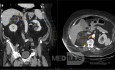
A Big Adrenal Angiomyolipoma
Nader Qashaa
views: 483
Recently active users
-

Burkan Nasr
MD, PhD - Assistant Professor
-
Nader Qashaa
MD
-

-

-


Are you Health Professional?
Register now, join the community for free access.
GET ALL THE BENEFITS THAT MEDTUBE PLATFORM OFFERS:
- Unlimited access to the largest e-library of professional videos, images, publications, courses
- Connect with peers 450,000+ Healthcare Professionals from 180 countries
- Upload and share your own cases, ask questions and discuss
- Create your professional profile and build personal recognition worldwide
- Stay up-to-date with innovative techniques, treatments, guidelines, discoveries in your fields of interest; be notified
- You are informed about innovative treatments, techniques and innovations in medicine