diabetology cases
Introduction to Diabetology
Diabetology is the branch of medicine dedicated to the study, diagnosis, prevention, and treatment of diabetes mellitus and its related complications. This condition, characterized by chronic hyperglycemia, affects millions of individuals worldwide and poses significant challenges to healthcare systems. As one of the most common chronic diseases, diabetes, in its various forms, requires thorough understanding and careful management by healthcare professionals. This comprehensive overview explores the scope of diabetology, emphasizing the critical role of imaging in the diagnosis, treatment, and management of diabetes, and the growing importance of early diagnosis in controlling and preventing the disease.
Diabetes Prevalence and Impact
Diabetes prevalence has seen a marked rise in recent decades, making it a major public health concern. According to the National Diabetes Statistics Report, an estimated 37.3 million adults in the United States—approximately 11.3% of the adult population—are living with diabetes. This figure includes both diagnosed and undiagnosed cases. Diabetes is especially prevalent in certain populations, including non-Hispanic black adults, non-Hispanic white adults, Hispanic adults, and American Indian adults. Age-adjusted data also reveals that adults aged 45 and older experience a higher prevalence, though diabetes is increasingly diagnosed in adolescents and younger populations as well.
The disease's complications are widespread and often severe, affecting multiple organ systems. Untreated diabetes can lead to kidney disease, cardiovascular disease, nerve damage, and visual impairment, among other complications. As such, the burden of diabetes is not only in terms of direct medical costs but also indirect costs, including lost productivity and reduced quality of life. The American Diabetes Association (ADA) estimates that the direct medical costs of diabetes in the U.S. total more than $327 billion annually, with additional indirect costs of $90 billion, largely due to reduced productivity and premature death.
Risk Factors and Ethnic Disparities
Diabetes is a multifactorial disease, with various risk factors contributing to its onset. Obesity is one of the most significant risk factors, as it impairs the body’s ability to produce or respond to insulin effectively. Physical inactivity, smoking, and poor diet also contribute to the development of type 2 diabetes. Other factors, including genetic predisposition, age, and family history, play an important role.
Ethnic and racial disparities are pronounced in the prevalence of diabetes. The disease is more common among non-Hispanic black adults, non-Hispanic Asian adults, and Hispanic adults, compared to non-Hispanic white adults. The rise in diabetes prevalence among these groups may be attributed to a combination of genetic, socioeconomic, and cultural factors, including differences in education levels, physical activity, and diet. Additionally, certain ethnic groups, such as American Indians and Alaska Natives, have a higher percentage of adults living with diabetes than the general population. These disparities highlight the need for targeted diabetes prevention and management strategies.
Diagnosing and Managing Diabetes
Diagnosis of diabetes is typically based on blood sugar levels, with criteria defined by the ADA. A blood glucose level of 126 mg/dL or higher after an overnight fast, a hemoglobin A1c level of 6.5% or greater, or a random blood sugar level of 200 mg/dL or higher, along with symptoms of hyperglycemia, are used to diagnose the disease. Early diagnosis is crucial in preventing complications and improving long-term outcomes. However, many individuals remain undiagnosed, particularly among certain racial and ethnic groups. The National Diabetes Statistics Report notes that a significant proportion of adults with diabetes are unaware of their condition, contributing to undiagnosed diabetes and untreated diabetes cases.
Once diagnosed, effective management of diabetes involves controlling blood sugar levels, blood pressure, and cholesterol to reduce the risk of complications. The treatment typically includes lifestyle changes such as increasing physical activity, modifying the diet, and losing weight. Medications, including oral hypoglycemics or insulin injections, may also be necessary to maintain blood sugar levels within a target range. In some cases, surgery may be required for patients with obesity to aid in weight management, further reducing the risk of diabetes complications.
Imaging plays a critical role in both the diagnosis and management of diabetes, particularly in assessing the degree of damage to organs affected by the disease. Imaging techniques, including X-rays, CT scans, MRIs, and ultrasounds, allow clinicians to evaluate complications such as kidney disease, cardiovascular disease, and diabetic retinopathy. These tools enable timely intervention and can help in monitoring disease progression.
Diabetes Prevention and Early Intervention
Preventing the onset of diabetes is a key aspect of diabetology, particularly considering the high burden of the disease on public health systems. The American Diabetes Association recommends that adults with risk factors such as obesity, physical inactivity, and a family history of diabetes undergo regular screening to detect prediabetes or undiagnosed diabetes. Early diagnosis allows for interventions that may delay or prevent the progression to full-blown diabetes.
Lifestyle interventions, including increased physical activity, dietary modifications, and weight loss, are the cornerstone of diabetes prevention. For example, the Diabetes Prevention Program study has shown that a 5-7% reduction in body weight through diet and exercise can reduce the risk of diabetes by 58%. Additionally, metformin, an oral medication, has been shown to reduce the risk of diabetes in individuals with prediabetes.
However, not all cases of diabetes are preventable. Type 1 diabetes, a less common form of the disease, typically develops in children and adolescents, often due to autoimmune destruction of insulin-producing cells in the pancreas. While type 1 diabetes cannot be prevented, advances in insulin therapy have dramatically improved disease control and outcomes for individuals with this condition.
For type 2 diabetes, the focus is on lifestyle changes and, in some cases, medication. Monitoring and controlling blood sugar levels through medications such as metformin or insulin, along with regular screenings for complications, are critical to managing the disease and preventing progression.
The Role of Imaging in Diabetes Care
Imaging is an invaluable tool in the diagnosis, monitoring, and treatment of diabetes-related complications. As diabetes can affect multiple organs, including the kidneys, eyes, and heart, imaging allows for early detection of complications and assists in guiding treatment decisions.
-
Kidney Disease: Diabetic nephropathy, a common complication of untreated diabetes, is a leading cause of kidney disease. Early detection of kidney damage can help prevent further progression, and imaging techniques such as ultrasounds or CT scans can be used to assess kidney function and structure. In advanced cases, nephropathy may require dialysis or kidney transplantation.
-
Cardiovascular Disease: Diabetes significantly increases the risk of cardiovascular disease, including coronary artery disease and stroke. Imaging techniques such as echocardiograms, CT angiography, and MRIs can assess cardiovascular health and help clinicians make informed decisions about the need for interventions like stent placement or bypass surgery.
-
Retinopathy: Diabetic retinopathy, a leading cause of blindness in adults, requires regular eye examinations. Imaging techniques like retinal photography and optical coherence tomography (OCT) are critical in detecting changes in the retina and assessing the severity of damage. Early detection of retinopathy can lead to interventions that preserve vision, such as laser therapy or anti-VEGF injections.
-
Foot and Limb Care: Diabetes also increases the risk of foot ulcers and amputations. Imaging tools such as X-rays and MRIs can help assess the extent of tissue damage, including infections and fractures, and guide treatment decisions to prevent the need for amputation.
Diabetes and Racial Disparities
The prevalence of diabetes varies significantly across racial and ethnic groups, with non-Hispanic black adults, non-Hispanic Asian adults, and Hispanic adults experiencing higher rates of the disease than non-Hispanic white adults. These disparities are partly due to genetic, socio-economic, and cultural factors that influence lifestyle behaviors such as diet and physical activity. Additionally, racial and ethnic minorities are less likely to have access to high-quality healthcare, which can result in undiagnosed or untreated diabetes.
In response to these disparities, the ADA and other organizations have called for targeted efforts to reduce diabetes prevalence in at-risk populations. This includes promoting culturally relevant education, improving access to healthcare services, and advocating for policies that address the social determinants of health, such as income and education levels.
The Eighth Leading Cause of Death
Diabetes is now the eighth leading cause of death in many countries, including the United States. The rise in diabetes prevalence, combined with the increasing rates of obesity and physical inactivity, is contributing to this alarming statistic. Untreated diabetes can lead to severe complications, including kidney failure, heart disease, stroke, and amputations, all of which can reduce life expectancy.
Prevention and early intervention are key strategies in reducing the mortality associated with diabetes. By addressing risk factors early and using imaging to monitor for complications, healthcare professionals can improve the prognosis for individuals with diabetes and reduce the burden on healthcare systems.
Conclusion
Diabetology is a rapidly evolving field that requires a comprehensive approach to managing diabetes and its complications. With the increasing prevalence of the disease, especially among racial and ethnic minorities, early diagnosis and intervention are critical in preventing long-term complications and improving outcomes for individuals with diabetes. Imaging technologies play an essential role in diagnosing and monitoring diabetes-related complications, from kidney disease and cardiovascular issues to retinopathy and foot ulcers. As the field continues to evolve, healthcare professionals must stay informed about the latest trends, research, and interventions to ensure the best possible care for patients with diabetes. Through early detection, effective management, and targeted prevention efforts, we can help reduce the impact of diabetes and improve the lives of millions of individuals worldwide.


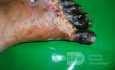
Diabetic Heel Ulcer with Achill's Infection
Heel ulcer after debridement with Achill's tendon involvement.


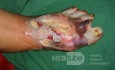
Bilateral Trans Metatarsal Amputation
Bilateral diabetic foot ulcers ended with bilateral trans metatarsal amputation.


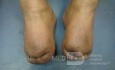
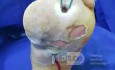
Diabetic foot ulcer - neuropathic -associated...
Foot x-ray show osteomyelitis in the first metatarsal head.


Users
-

Abdulhakim Omer Altamimi Al-Tamimi
MD, PhD - Assistant Professor
-

-

-
-


Channels
-

Amerra - Advanced Medical Visualizations
medical institution
-

Gastroenterology Atlas
medical institution
-

SAGES - Society of American Gastrointestinal and Endoscopic Surgeons
medical institution
-

High Impact - Medical Animation
medical institution
-

Orthopaedic Academy
medical institution
Popular

Foot sepsis
Abdulhakim Omer Altamimi Al-Tamimi
views: 20757
Recently active users
-
Abdulhakim Omer Altamimi Al-Tamimi
MD, PhD - Assistant Professor
Are you Health Professional?
Register now, join the community for free access.
GET ALL THE BENEFITS THAT MEDTUBE PLATFORM OFFERS:
- Unlimited access to the largest e-library of professional videos, images, publications, courses
- Connect with peers 450,000+ Healthcare Professionals from 180 countries
- Upload and share your own cases, ask questions and discuss
- Create your professional profile and build personal recognition worldwide
- Stay up-to-date with innovative techniques, treatments, guidelines, discoveries in your fields of interest; be notified
- You are informed about innovative treatments, techniques and innovations in medicine