Orthopaedic cases


Endoscopic Discectomy with Foraminal Access
This is a 62 year old patient with right sided foraminal stenosis. She has been complaining of pain and paresthesia in her right lower extremity for about 2 years. In the video, an endoscopic discectomy...

Why Is My Low Back Pain Not Getting Better?
Low back pain can be complicated. In approximately 85% of patients, no specific cause for low back pain is identified. Typically, the pain resolves spontaneously, and in 95% of patients, it improves within...
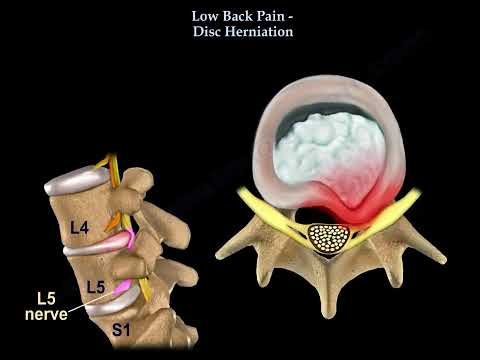
Lumbar Disc Herniation Causes, Symptoms and Treatment
This video provides causes, symptoms, and treatment of lumbar disc herniation.

Thoracic Outlet Syndrome: Diagnosis, Causes,...
Thoracic Outlet Syndrome (TOS) is a diagnosis of exclusion, primarily based on clinical history and symptoms. It is a neurovascular compression syndrome affecting the brachial plexus within the thoracic...

Axillary Nerve Injury: Causes, Symptoms, and...
The axillary nerve is the most commonly injured nerve in shoulder dislocations, occurring in approximately 5% of cases. Following a shoulder dislocation, patients typically experience an inability to...

The Rotator Cuff Nerve: Suprascapular Nerve Causes,...
This video provides a clinical evaluation of nerve injuries to the upper extremity.

Anterior Interosseous Nerve Syndrome
The anterior interosseous nerve arises from the median nerve approximately 4-6 cm distal to the elbow, about one-third of the way down the forearm. It branches from the anterolateral aspect of the median...

Distal Biceps Tendon Rupture - Hook Test
The Hook Test is a quick and easy way to diagnose a distal biceps tendon rupture. Learn how to perform this simple orthopedic exam, understand the treatment options, and see real clinical examples.

Low Back Pain: Simple or Complicated?
Low back pain can be classified as either simple or complicated. While it may seem that any form of pain is complex, low back pain can often be straightforward to diagnose and manage. Understanding the...

Posterior Cord of the Brachial Plexus
The posterior cord of the brachial plexus comprises the posterior division of all three trunks: the upper, middle, and lower trunk.

Dorsal Scapular Nerve and Brachial Plexus Injuries:...
The dorsal scapular nerve arises from the C5 nerve root and innervates the rhomboid major, rhomboid minor, and levator scapulae muscles.

Brachial Plexus, Shoulder Muscle Examination,...
This video overviews the brachial plexus and discusses injuries affecting its structures.

Mnemonic and Anatomical Classification of the...
The brachial plexus is often considered a difficult topic, but let's simplify it. A useful mnemonic to remember is presented in this video.

Scapulothoracic Dissociation: A Rare Traumatic...
Scapulothoracic dissociation is a rare and severe traumatic injury characterized by the disruption of the scapulothoracic articulation. It involves the lateral displacement of the scapula while the overlying...

Medial Scapular Winging: Causes, Symptoms, Diagnosis,...
Medial scapular winging is most commonly caused by a dysfunction of the serratus anterior muscle, which occurs due to injury to the long thoracic nerve.
Are you Health Professional?
Register now, join the community for free access.
GET ALL THE BENEFITS THAT MEDTUBE PLATFORM OFFERS:
- Unlimited access to the largest e-library of professional videos, images, publications, courses
- Connect with peers 450,000+ Healthcare Professionals from 180 countries
- Upload and share your own cases, ask questions and discuss
- Create your professional profile and build personal recognition worldwide
- Stay up-to-date with innovative techniques, treatments, guidelines, discoveries in your fields of interest; be notified
- You are informed about innovative treatments, techniques and innovations in medicine