gastroesophageal junction


Hiatal Hernia Type 2 (Rolling)
Type II paraesophageal hiatal hernia is characterized by herniation of the gastric fundus into the mediastinum while the gastroesophageal junction remains relatively fixed below the diaphragm. Unlike...

Endoscopy for Large Sliding Hiatal Hernia with...
Esophagogastroduodenoscopy (EGD) is essential for evaluating mucosal abnormalities, assessing the degree of esophagitis, and excluding Barrett's esophagus or malignancy. Careful attention is paid to the...

Adequate Heller Myotomy
Laparoscopy video case: five trocars were placed in the upper part of the abdomen. The gastroesophageal junction and lower mediastinal esophagus were widely mobilized while both vagus nerves were preserved....

Guidelines for Intraoperative Assessment of Type...
The vast majority of hiatal hernias are called type I, or sliding hiatal hernias. In this type, the stomach intermittently slides up into the chest through a small opening in the diaphragm. In type...

Laparoscopic Heller Myotomy and DOR Fundoplication...
Laparoscopic Heller myotomy is considered by many experts as the best treatment modality for most patients with newly diagnosed achalasia. The best place to start the myotomy is about 2 cm above...

Retro-Esophageal Tunneling and Myotomy by Stretching...
After incision of the phrenoesophageal ligament, the dissection is performed selectively over the anterior aspect of the esophagus. The anterior and posterior vagus nerves are identified and their branches...
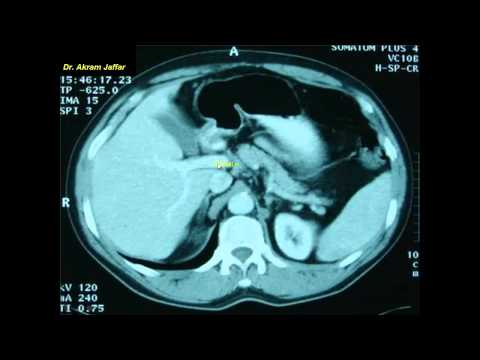
Cross Sectional And Imaging Anatomy Of The Abdomen
The video presents cross sectional and imaging anatomy of the abdomen. Video by Dr. Akram Jaffar, Department of Medical Neuroscience Dalhousie Medicine New Brunswick

Barrett's Disease - Esophagoscopy
Biopsies obtained just below the squamocolumnar junction (six o clock) revealed specialized metaplastic epithelium (intestinal metaplasia), diagnostic of Barrett's disease, short segment of Barrett's,...

Gastroesophageal Junction Stricture - Gastroscopy
Patients may present with heartburn, dysphagia, odynophagia, food impaction, weight loss, and chest pain. Progressive dysphagia for solids is the most common presenting symptom. This may progress to...
Are you Health Professional?
Register now, join the community for free access.
GET ALL THE BENEFITS THAT MEDTUBE PLATFORM OFFERS:
- Unlimited access to the largest e-library of professional videos, images, publications, courses
- Connect with peers 450,000+ Healthcare Professionals from 180 countries
- Upload and share your own cases, ask questions and discuss
- Create your professional profile and build personal recognition worldwide
- Stay up-to-date with innovative techniques, treatments, guidelines, discoveries in your fields of interest; be notified
- You are informed about innovative treatments, techniques and innovations in medicine