Are you Health Professional?
Register now, join the community for free access.
GET ALL THE BENEFITS THAT MEDTUBE PLATFORM OFFERS:
- Unlimited access to the largest e-library of professional videos, images, publications, courses
- Connect with peers 450,000+ Healthcare Professionals from 180 countries
- Upload and share your own cases, ask questions and discuss
- Create your professional profile and build personal recognition worldwide
- Stay up-to-date with innovative techniques, treatments, guidelines, discoveries in your fields of interest; be notified
- You are informed about innovative treatments, techniques and innovations in medicine

Live Anatomy Cholangiogram Duct Diagram

Case description
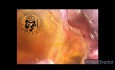
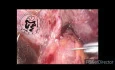
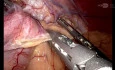
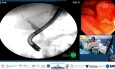
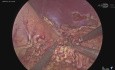
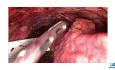
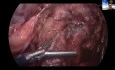
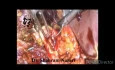
During a laparoscopic cholecystectomy, the anatomy a surgeon sees is shaped by angles, traction, inflammation, fat, and perspective. The view is dynamic, sculpted by how you lift the fundus, retract Hartmann’s pouch, or peel peritoneum. Intraoperative cholangiography, on the other hand, gives a radiographic map, a projection of ducts filled with contrast. It is two-dimensional, geometric, and blind to the shifting visual cues of the operative field.
So the surgeon’s “live anatomy” and the cholangiogram’s “duct diagram” aren’t speaking the same visual language. They describe the same organs, but each uses a different dialect.
Why they don’t match neatly?
The cystic duct can look short on IOC even when it seems long laparoscopically, because small angulation or a spiral valve can hide segments from the contrast column. The common hepatic duct may appear narrower or steeper than expected on X-ray because the projection collapses its curve. Meanwhile, the infamous “infundibular illusion” - when Hartmann’s pouch flares and masquerades as the cystic duct — fools the camera but not the cholangiogram. Surgeons resolve this mismatch by treating the two sources as complementary. The eye tells you where the tissue planes behave; the IOC tells you where the ducts actually go. When these two disagree, the radiograph usually wins - duct injuries have taught that lesson too many times. This tension between appearance and imaging is part of what makes laparoscopic biliary surgery such a strangely fascinating choreography. Each tool corrects the blind spots of the other, and the safest path comes from blending both.
This user also sharing
Hourglass Gallbladder
Shahram Nazari
views: 17927
Phrygian Cap Gallbladders
Shahram Nazari
views: 25658