Are you Health Professional?
Register now, join the community for free access.
GET ALL THE BENEFITS THAT MEDTUBE PLATFORM OFFERS:
- Unlimited access to the largest e-library of professional videos, images, publications, courses
- Connect with peers 450,000+ Healthcare Professionals from 180 countries
- Upload and share your own cases, ask questions and discuss
- Create your professional profile and build personal recognition worldwide
- Stay up-to-date with innovative techniques, treatments, guidelines, discoveries in your fields of interest; be notified
- You are informed about innovative treatments, techniques and innovations in medicine

The Mechanism of the Anti-Reflux Barrier in Deep


Case description
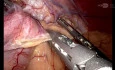
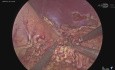
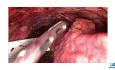
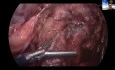
Anti-Reflux Barrier in Human. The anti-reflux barrier in humans is a complex system of structures that work together to prevent the reflux of gastric contents into the esophagus. This system includes the lower esophageal sphincter (LES), crural diaphragm (CD), phrenoesophageal ligaments, angle of His, and sling fibers. These structures are essential for maintaining the integrity of the esophagus and preventing the reflux of gastric contents, which can lead to conditions like gastroesophageal reflux disease (GERD). The LES is particularly important as it is the primary mechanism that prevents the reflux of gastric contents into the esophagus. Understanding the anatomy and physiology of the anti-reflux barrier is crucial for diagnosing and treating GERD and related conditions. The LES, in particular, is a critical component of this barrier, and its dysfunction can lead to the reflux of gastric contents into the esophagus, causing damage to the esophageal mucosa and leading to various clinical symptoms. The anti-reflux barrier is a sophisticated system that requires careful consideration and understanding to manage GERD effectively. It is a subject of ongoing research and development in gastroenterology and surgery to improve the treatment of GERD and related conditions.