Are you Health Professional?
Register now, join the community for free access.
GET ALL THE BENEFITS THAT MEDTUBE PLATFORM OFFERS:
- Unlimited access to the largest e-library of professional videos, images, publications, courses
- Connect with peers 450,000+ Healthcare Professionals from 180 countries
- Upload and share your own cases, ask questions and discuss
- Create your professional profile and build personal recognition worldwide
- Stay up-to-date with innovative techniques, treatments, guidelines, discoveries in your fields of interest; be notified
- You are informed about innovative treatments, techniques and innovations in medicine

Safety and Feasibility of Cystic Duct Control with Suture Ligation During Laparoscopic Cholecystectomy


Case description
Background: Securing the cystic duct in laparoscopic cholecystectomy (LC) can be achievedthrough suturing ligation (intracorporeal or extracorporeal), clips, electrocautery,and ultramodern vessel sealing energy devices. Suturing ligation is a safe and acost-effective measure in low-resource settings such as developing countries.
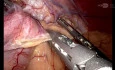
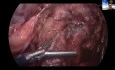
Patients and methods: The rationale of this current prospective study was to establish the safety and feasibility of intracorporeal suturing ligation for securing the cystic duct during LC inthe local setting. Patients who were eligible for LC at the Aswan University Hospital’s General Surgery Department were included.
Results: In all, 260 patients were included in our study. Most of the participants were females, representing 92.69% of patients. The mean age of participants was 39.82±9.96 years, and 95.77% were overweight or obese. The mean±SD time for cystic duct ligation and closure was 3.03±0.64, and the median [interquartilerange (IQR)] was 2.90 min (1.11 min). The mean±SD operative time was 88.19±27.81 min, and the median (IQR) was 84 min (31.75 min). Also, the mean±SDhospital stay was 1.11±0.55 days, and the median (IQR) was 1 day (0 day). There was no intraoperative significant bile duct injury, bile leak, or bleeding. No visceral injury was encountered. The success rate of the operation was 100%. None neededto be redone. No case needed conversion to open surgery. No bile leakage or other complication was seen during the follow-up period.
Conclusion: In resource-constrained settings, suture ligation of the cystic duct is a safe technique with low rates of postoperative complications. Cystic duct control with intracorporeal suture ligation is an essential technique that can be learned, requiring knot-tying skills.