Are you Health Professional?
Register now, join the community for free access.
GET ALL THE BENEFITS THAT MEDTUBE PLATFORM OFFERS:
- Unlimited access to the largest e-library of professional videos, images, publications, courses
- Connect with peers 450,000+ Healthcare Professionals from 180 countries
- Upload and share your own cases, ask questions and discuss
- Create your professional profile and build personal recognition worldwide
- Stay up-to-date with innovative techniques, treatments, guidelines, discoveries in your fields of interest; be notified
- You are informed about innovative treatments, techniques and innovations in medicine

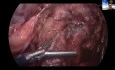
Laparoscopic Nissen Fundoplication

Case description
Medical treatment with proton pump inhibitors (PPIs) heals esophagitis and suppresses heartburn in over 90% of patients. Despite the fact that effective maintenance therapies do exist, patients often require lifelong medication, and compliance with long-term maintenance therapy is sometimes difficult to achieve. Furthermore, concerns exist regarding long-term safety of PPI medication. Current evidence suggests that laparoscopic fundoplication is more effective than medical therapy for the short- and medium-term treatment of gastroesophageal reflux disease. In contrast to medical therapy that inhibits only acid reflux, antireflux surgery is designed to prevent reflux of all gastric content. This is achieved by creating a mechanical antireflux valve that increases lower esophageal sphincter pressure and markedly reduces the rate of spontaneous transient relaxations accompanied by reflux. Side effects of Nissen fundoplication such as dysphagia, increased bloating and flatulence, and inability to belch or vomit may limit the success of antireflux surgery.
This user also sharing
Hourglass Gallbladder
Shahram Nazari
views: 17925
Phrygian Cap Gallbladders
Shahram Nazari
views: 25655