Are you Health Professional?
Register now, join the community for free access.
GET ALL THE BENEFITS THAT MEDTUBE PLATFORM OFFERS:
- Unlimited access to the largest e-library of professional videos, images, publications, courses
- Connect with peers 450,000+ Healthcare Professionals from 180 countries
- Upload and share your own cases, ask questions and discuss
- Create your professional profile and build personal recognition worldwide
- Stay up-to-date with innovative techniques, treatments, guidelines, discoveries in your fields of interest; be notified
- You are informed about innovative treatments, techniques and innovations in medicine

Effects of the Lavage Through Fistula in Treatment of Spontaneous Esophageal Rupture by Combined Thoracoscop and Gastroscop

Case description
Effects of the lavage through fistula in treatment of spontaneous esophageal rupture by Combined Thoracoscop and Gastroscop".
Reviewed by @LankaraniMD
--------------------------------
World Journal of Emergency Surgery
https://doi.org/10.1186/s13017-025-00630-6
Published: 07 June 2025
--------------------------------
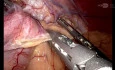
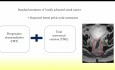
This retrospective study (2014-2024, n = 24) evaluates a novel lavage-drainage technique for spontaneous esophageal rupture (SER/Boehhaave's syndrome). Patients undergoing VATS debridement/drainage were divided into:
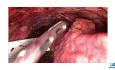
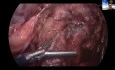
1. Lavage-Drainage Group (n = 11): Gastroscopically guided placement of a nasogastric tube through the esophageal fistula for continuous irrigation (iodinated saline) + standard thoracic/mediastinal drainage.
2. Drainage Group (n = 13): Standard VATS debridement/drainage alone.
Key Findings:
↓ 30-day Mortality: 0% vs. 15.38% (p = 0.029).
↓ Major Complications (Clavien-Dindo II-IV): 45.45% vs. 92.31% (p = 0.023).
↓ Pulmonary Infection: 9.09% vs. 53.85% (p = 0.033).
↓ Inflammatory Markers: Faster reduction in WBC, NEUTR%, CRP, PCT (p 0.05).
↑ Fistula Healing/Full Remission: 100% vs. 53.85% (p = 0.029).
↑ Cost: Significantly higher hospitalization cost (CNY 103,258 vs. 69,110; p = 0.004).
No Difference: Operative time, ICU/hospital stay, mechanical ventilation duration.
The authors conclude that fistula lavage enhances drainage efficiency, reduces inflammation, and improves SER prognosis but requires cost optimization.
--------------------------------
Conclusion & Significance:
Huang et al. present a promising technical advancement in managing SER. The combined thoracoscopic-gastroscopic lavage-drainage technique demonstrates potential for reducing mortality and severe complications compared to standard VATS drainage alone, particularly in delayed presentations. Its strength lies in directly addressing a key failure mode of traditional drainage (tube blockage) through enhanced debridement and controlled fistula management.
However, the small, retrospective, single-center nature of the study is a major limitation. The observed benefits, while clinically compelling, require confirmation in larger, prospective, multi-center studies with longer follow-up and detailed cost-effectiveness analyses. This technique represents a valuable addition to the "damage control" armamentarium for SER but should be considered within the context of available expertise and resources due to its complexity and higher initial cost.
--------------------------------