Are you Health Professional?
Register now, join the community for free access.
GET ALL THE BENEFITS THAT MEDTUBE PLATFORM OFFERS:
- Unlimited access to the largest e-library of professional videos, images, publications, courses
- Connect with peers 450,000+ Healthcare Professionals from 180 countries
- Upload and share your own cases, ask questions and discuss
- Create your professional profile and build personal recognition worldwide
- Stay up-to-date with innovative techniques, treatments, guidelines, discoveries in your fields of interest; be notified
- You are informed about innovative treatments, techniques and innovations in medicine

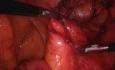
Laparoscopic Heller Myotomy and Dor Fundoplication for Treatment of Achalasia

Case description
Achalasia is a degenerative esophageal disease characterized by aperistalsis of the esophageal body and impaired relaxation of the lower esophageal sphincter. The etiology involves T-cell mediated destruction and fibrotic replacement of the myenteric plexus, but the underlying cause remains unknown. The exact cause of achalasia is poorly understood. Researchers suspect it may be caused by a loss of nerve cells in the esophagus. There are theories about what causes this, but viral infection or autoimmune responses have been suspected. Very rarely, achalasia may be caused by an inherited genetic disorder or infection. As neural function cannot be restored, treatment is palliative, focusing on symptom control and maintaining the esophagus as a passive conduit. The primary treatment goal is to reduce lower esophageal sphincter pressure while minimizing gastroesophageal reflux, typically achieved laparoscopically via modified Heller myotomy and Dor fundoplication.
This user also sharing
Hourglass Gallbladder
Shahram Nazari
views: 17934
Phrygian Cap Gallbladders
Shahram Nazari
views: 25661