Are you Health Professional?
Register now, join the community for free access.
GET ALL THE BENEFITS THAT MEDTUBE PLATFORM OFFERS:
- Unlimited access to the largest e-library of professional videos, images, publications, courses
- Connect with peers 450,000+ Healthcare Professionals from 180 countries
- Upload and share your own cases, ask questions and discuss
- Create your professional profile and build personal recognition worldwide
- Stay up-to-date with innovative techniques, treatments, guidelines, discoveries in your fields of interest; be notified
- You are informed about innovative treatments, techniques and innovations in medicine

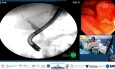
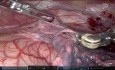
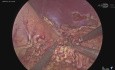
Robotics in Caval Crossroads

Case description
Background
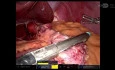
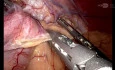
Adoption of the robotic platform for IVC thrombectomy allows precise dissection, enhanced 3D visualization, and improved dexterity for intracorporeal suturing. Techniques such as robotic venotomy, atraumatic thrombus extraction, and meticulous caval repair can be performed with reduced invasiveness while maintaining oncological principles.
Case report
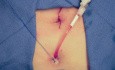
39 years female presented with complaints of right abdominal pain. PET CT showed FDG uptake in the soft tissue mass involving the lower half of right kidney measuring 6 x 5 x 4.8 cm (Max SUV:17.51). The mass infiltrates the right renal vein and extends into the intrahepatic IVC. CEMRI done suggestive of similar findings with tumor thrombus is seen extending along the main and accessory renal veins into the IVC. Superior margin seen reaching the intrahepatic IVC approximately 5 cm from the diaphragm. Tumor thrombus appears well circumscribed and seen to cause partial lumen occlusion. No invasion of the IVC wall. Optimized & underwent Robotic IVC thrombectomy & right radical nephrectomy. Postoperative period was uneventful & discharged on Postoperative day 5. On HPR, tumor is seen infiltrating into the renal sinus and renal vein. IVC thrombus tissue shows tumor deposits. Right radical nephrectomy specimen was malignant small round cell tumor - ewings sarcoma
Discussion
Robotic caval thrombectomy, in comparison to open caval thrombectomy, associated with
- lower blood transfusion rate (18.4% vs 64.3%), p[0.002),
- lower complication rate (14.5%vs 36.7%, p[0.005). Major complication and 30-day mortality rates were similar in both groups(1). Robotic IVC thrombectomy can be feasible and safe in selected cases of renal tumors with level III-IV tumor thrombus, which may achieve similar perioperative and oncological outcomes compared to open IVC thrombectomy(2).
This user also sharing

Prostatectomy For Prostate Cancer
Vattikuti Foundation
views: 10405