Are you Health Professional?
Register now, join the community for free access.
GET ALL THE BENEFITS THAT MEDTUBE PLATFORM OFFERS:
- Unlimited access to the largest e-library of professional videos, images, publications, courses
- Connect with peers 450,000+ Healthcare Professionals from 180 countries
- Upload and share your own cases, ask questions and discuss
- Create your professional profile and build personal recognition worldwide
- Stay up-to-date with innovative techniques, treatments, guidelines, discoveries in your fields of interest; be notified
- You are informed about innovative treatments, techniques and innovations in medicine

Primary Robot Assisted Retroperitoneal LND in a Patient with Adenocarcinoma of Testis

Case description
Primary robot assisted retroperitoneal lymph node dissection in a patient with adenocarcinoma of testis. Abstract introduction and objectives: adenocarcinoma as a primary malignancy in testis is very rare, especially the mucinous subtype. The exact incidence is unknown. The management options after high inguinal orchidectomy include retroperitoneal lymph node dissection (RPLND) and chemotherapy.
Materials and Methods:
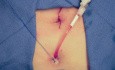
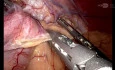
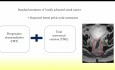
A 48-year-old man with a recent history of scrotal orchidectomy presented with a histopathology report suggestive of adenocarcinoma of the testis (mucinous type). Pre-operative serum tumor markers were normal. Staging FDG PET-CT was negative for abdominal lymphadenopathy but there was low-grade FDG uptake in the right scrotal sac. The management options for this uncommon testicular tumor were discussed with the institutional tumor board and with the patient. The patient underwent primary robot assisted RPLND and high inguinal scrotal exploration with excision of the scrotal skin scar.
Results:
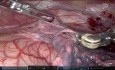
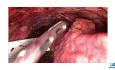
Surgery was performed using robotic system. The total console time was 3 hours and 20 minutes. The estimated intraoperative blood loss was 100 ml. There were no intra- operative or post-operative complications. The patient got discharged on post-operative day one. Final histopathology was suggestive of a poorly differentiated malignant tumor (likely seminoma) in one of the 42 lymph nodes that were harvested. Scrotal skin, right testicular remnant, and right spermatic cord were free of tumor. The patient received three cycles of etoposide and cisplatin-based chemotherapy post operatively. At 6 months follow up patient is free of any recurrence.
Conclusion:
Rare histopathology like adenocarcinoma poses a treatment conundrum. Robot-assisted primary RPLND is a feasible management option with good surgical outcomes.
This user also sharing

Prostatectomy For Prostate Cancer
Vattikuti Foundation
views: 10340