Are you Health Professional?
Register now, join the community for free access.
GET ALL THE BENEFITS THAT MEDTUBE PLATFORM OFFERS:
- Unlimited access to the largest e-library of professional videos, images, publications, courses
- Connect with peers 450,000+ Healthcare Professionals from 180 countries
- Upload and share your own cases, ask questions and discuss
- Create your professional profile and build personal recognition worldwide
- Stay up-to-date with innovative techniques, treatments, guidelines, discoveries in your fields of interest; be notified
- You are informed about innovative treatments, techniques and innovations in medicine

Massive Lymphorrhea After Robot-assisted Radical Prostatectomy

Case description
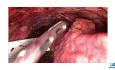
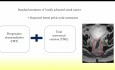
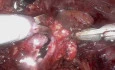
Massive lymphorrhea after robot-assisted radical prostatectomy Marco Martiriggiano1, Paolo Dell’Oglio 2, Stefano Tappero1, Michele Barbieri2, Francesca Ambrosini1, Alberto Olivero2, Enrico Vecchio1, Silvia Secco2, Carlo Terrone1, Aldo Massimo Bocciardi2, Antonio Galfano2 1. IRCCS Ospedale Policlinico San Martino, University of Genoa, Largo Rosanna Benzi 10, Genova, Italy 2. Department of Urology, ASST Grande Ospedale Metropolitano Niguarda, Milan, Piazza dell’Ospedale Maggiore 3, Milano, Italy Introduction & objectives Near-infrared fluorescence imaging with indocyanine green (NIRF/ICG) has emerged as a safe and feasible tool for an enhanced surgical experience. Specifically, the purpose of the current video was to describe the intra-operative use of NIRF/ICG to manage a case of massive lymphorrhea, which occurred after robot-assisted radical prostatectomy (RARP). Materials and methods We present the case of a 72-year-old man that underwent Retzius-sparing RARP and extended pelvic lymphadenectomy. After six months, the patient presented to the Emergency Department complaining asthenia, dyspnea and weight loss. CT scan showed severe ascites. The patient underwent a complete clinical evaluation without evidence of pathological findings. Lymphoscintigraphy with 99mTc nanocolloid detected a deficit of lymphatic superficial drainage, with tracer accumulation in the inguinal region and abdomen. A massive lymphorrhea due to lymphatic drainage damage was suspected. Therefore, the patient was submitted to robot-assisted explorative laparoscopy and real-time lymphangiography with ICG. One ml of diluted ICG was injected subcutaneously in the interdigital space and on the sole of each foot, 15 minutes before the surgery. The procedure consisted of lymphatic leakage identification and subsequent double clips application and sealing of the leakage. Results The postoperative follow-up period was uneventful. At six months from surgery, a CT scan revealed no residual lymphorrhea. An asymptomatic pelvic lymphocele of approximately 5 cm was detected. Conclusion Real-time lymphangiography with ICG allowed accurate intra-operative identification of the lymphatic leakage, which had resulted in massive lymphorrhea. Future studies are warranted to corroborate the role of NIRF/ICG in a such clinical scenario.
This user also sharing

Prostatectomy For Prostate Cancer
Vattikuti Foundation
views: 10340