Are you Health Professional?
Register now, join the community for free access.
GET ALL THE BENEFITS THAT MEDTUBE PLATFORM OFFERS:
- Unlimited access to the largest e-library of professional videos, images, publications, courses
- Connect with peers 450,000+ Healthcare Professionals from 180 countries
- Upload and share your own cases, ask questions and discuss
- Create your professional profile and build personal recognition worldwide
- Stay up-to-date with innovative techniques, treatments, guidelines, discoveries in your fields of interest; be notified
- You are informed about innovative treatments, techniques and innovations in medicine

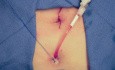
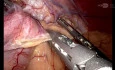
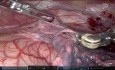
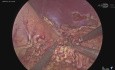
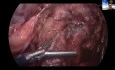
Fluorescence Guided Robotic Total Parietal Peritonectomy, Cytoreductive Surgery, Closed HIPEC

Case description
Title: Fluorescence guided robotic total parietal peritonectomy, cytoreductive surgery, closed HIPEC. Presenter: Dr Somashekhar SP MBBS, MS, MCh (Surg Onco), FRCS (Edinburgh), FARIS (Robotics) Robotic Surgeon, HIPEC & PIPAC Super-specialist Aster International Institute of Oncology, Aster Hospitals, Bengaluru, India Global Director - Aster International Institute of Oncology - GCC & India.
Cytoreductive surgery with hyperthermic intraperitoneal chemotherapy (CRS/HIPEC) has been increasingly utilized for peritoneal surface malignancies. Traditionally, CRS/HIPEC has been performed as an open, extensive operation associated with prolonged hospitalization. However, when the peritoneal carcinomatosis index (PCI) is less and involves only few selected quadrants of abdomen without much visceral involvement, minimally invasive approaches can be considered. Such less invasive approaches may be associated with improved postoperative recovery, less complications while preserving oncologic outcomes. The robotic platform offers distinct advantages over laparoscopy with superior visualization and ergonomics which account for its increased utilization in oncologic surgery. Herein we show the steps of performing a robotic total parietal peritonectomy with cytoreductive surgery and HIPEC for advanced ovarian cancer. We show the utilization of ICG for assessing the peritoneal deposits post chemotherapy and to guide the lymph node dissection. Use of robotic technology in the form of ICG, vessel sealer, surefoam stapler allows for faster and safer surgery. Patient selection is the key to success of Robotic CRS & HIPEC programme. Open CRS/HIPEC will continue to be the mainstay of therapy for patients with diffuse disease involving the whole abdomen. However, with the evolution of robotic instruments and technology, minimally invasive approaches will be utilized more frequently. The added benefit of the robotic platform to manipulate tissue, dissect and suture in tight spaces will contribute to this. The future of cytoreductive surgery and HIPEC for peritoneal surface malignancies is more minimally invasive, more multimodal and, certainly, very promising.
This user also sharing

Prostatectomy For Prostate Cancer
Vattikuti Foundation
views: 10347