Are you Health Professional?
Register now, join the community for free access.
GET ALL THE BENEFITS THAT MEDTUBE PLATFORM OFFERS:
- Unlimited access to the largest e-library of professional videos, images, publications, courses
- Connect with peers 450,000+ Healthcare Professionals from 180 countries
- Upload and share your own cases, ask questions and discuss
- Create your professional profile and build personal recognition worldwide
- Stay up-to-date with innovative techniques, treatments, guidelines, discoveries in your fields of interest; be notified
- You are informed about innovative treatments, techniques and innovations in medicine

Direct Abdominal Visceral Revascularization for Type B Aortic Dissection

Case description
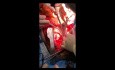
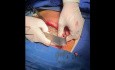
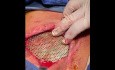
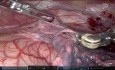
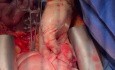
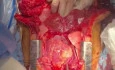
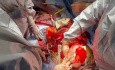
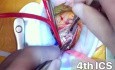
Direct visceral organ debranching and bypass from the ascending aorta through the diaphragm is an advanced hybrid strategy used for patients with extensive type B aortic dissection that extends proximally to involve the left subclavian artery and distally across the visceral segment. In this approach, the ascending aorta provides a stable, high-quality inflow source for a multibranched graft that is tunneled retrosternally or via the pericardial cavity and passed through the diaphragm into the abdominal cavity. Sequential anastomoses are created to the celiac trunk, superior mesenteric artery, and renal arteries, effectively revascularizing the visceral organs independent of the diseased thoracoabdominal aorta. This restores perfusion, prevents malperfusion-related ischemia, and establishes a protected outflow for subsequent thoracic endovascular aortic repair (TEVAR). By fully bypassing the compromised segment and addressing proximal subclavian involvement - often with concurrent carotid-subclavian bypass - the technique provides durable organ protection while allowing safe exclusion of the dissected aortic segment in a staged or single-session hybrid repair.