Are you Health Professional?
Register now, join the community for free access.
GET ALL THE BENEFITS THAT MEDTUBE PLATFORM OFFERS:
- Unlimited access to the largest e-library of professional videos, images, publications, courses
- Connect with peers 450,000+ Healthcare Professionals from 180 countries
- Upload and share your own cases, ask questions and discuss
- Create your professional profile and build personal recognition worldwide
- Stay up-to-date with innovative techniques, treatments, guidelines, discoveries in your fields of interest; be notified
- You are informed about innovative treatments, techniques and innovations in medicine

VATS Sympathectomy

Case description
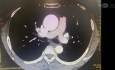
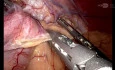
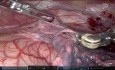
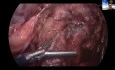
VATS sympathectomy, or video-assisted thoracoscopic sympathectomy, is a minimally invasive surgical procedure used to treat hyperhidrosis, particularly palmar hyperhidrosis (excessive sweating of the hands). It involves dividing the sympathetic nerve chain, which runs along the spine in the chest, to reduce or eliminate the signals that cause excessive sweating. The procedure is typically performed through small incisions in the chest wall, using a thoracoscope (a small camera) and other specialized instruments
What is Hyperhidrosis?
Hyperhidrosis is a condition characterized by excessive sweating beyond what is needed for normal body temperature regulation.
What does VATS stand for?
VATS stands for video-assisted thoracoscopic surgery, which is a minimally invasive surgical technique that uses a thoracoscope and small incisions to access the chest cavity.
How does VATS sympathectomy work?
The sympathetic nerve chain, which runs along the spine in the chest, controls various bodily functions, including sweating. In VATS sympathectomy, the surgeon identifies and divides the specific part of the sympathetic chain responsible for controlling sweating in the affected area, such as the hands (palmar hyperhidrosis).
What are the benefits?
VATS sympathectomy is highly effective in reducing or eliminating excessive sweating in the treated area. It is generally a minimally invasive procedure with a relatively quick recovery time.
What are the potential side effects?
A common side effect is compensatory sweating, where excessive sweating may occur in other parts of the body. Other potential side effects include prolonged air leak, bleeding, infections, and recurrence of sweating at the port site, though these are generally rare
What is the success rate?
VATS sympathectomy has a high success rate, with many patients experiencing significant or complete relief from excessive sweating. Studies indicate that success rates for reducing palmar sweat range from 96% to 100%.
When is it considered?
VATS sympathectomy is usually considered when other treatments for hyperhidrosis, such as antiperspirants or medications, have not been effective.
This user also sharing
Robotic IMA Harvesting
Pramod Reddy Kandakure
views: 816
VATS Decortication
Pramod Reddy Kandakure
views: 765