Are you Health Professional?
Register now, join the community for free access.
GET ALL THE BENEFITS THAT MEDTUBE PLATFORM OFFERS:
- Unlimited access to the largest e-library of professional videos, images, publications, courses
- Connect with peers 450,000+ Healthcare Professionals from 180 countries
- Upload and share your own cases, ask questions and discuss
- Create your professional profile and build personal recognition worldwide
- Stay up-to-date with innovative techniques, treatments, guidelines, discoveries in your fields of interest; be notified
- You are informed about innovative treatments, techniques and innovations in medicine

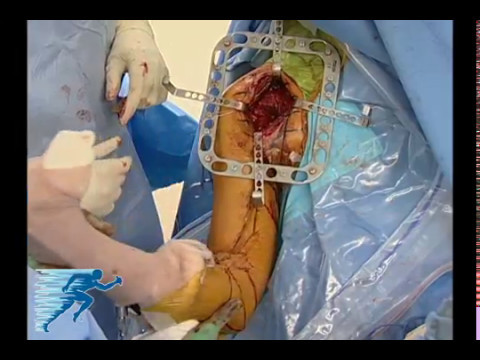
Arthroscopic Posterior Stabilization | Arthroscopic Shoulder Surgery | Shoulder Instability | Vai

Case description
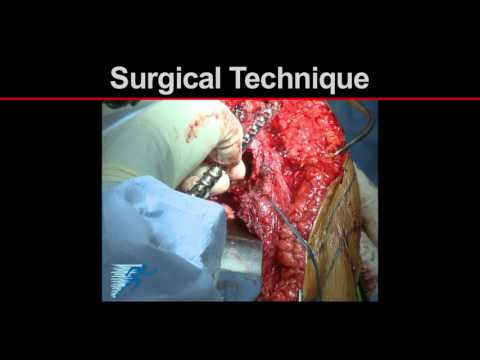
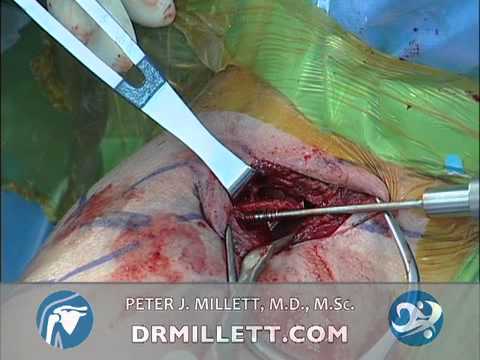
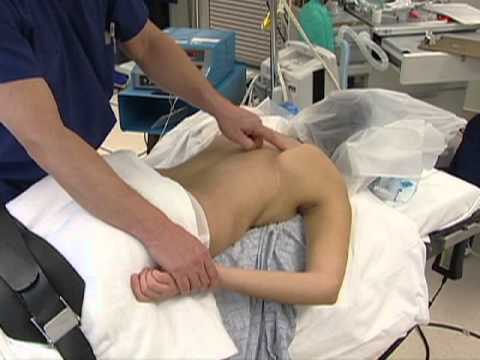
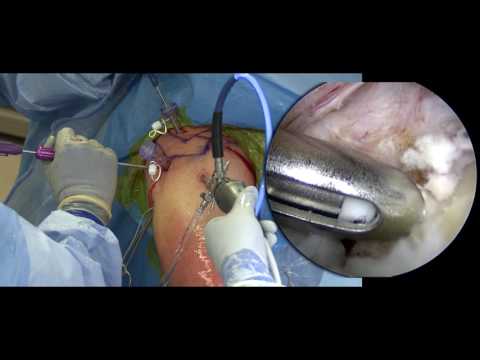
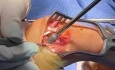
Dr. Peter Millett is a shoulder surgeon with the Steadman Clinic in Vail, CO. He specializes in all conditions of the shoulder including shoulder instability, which is one of the most common and debilitating symptom of a shoulder injury. Instability of the posterior (back) side of the shoulder joint includes sensations of dislocations and sub-luxations (pseudo dislocations) of the shoulder joint to posterior. This can cause pain and symptoms of instability. Arthroscopic (key-hole surgery) treatment of the unstable shoulder has evolved rapidly and significantly in recent years. An arthroscopic approach includes significant advantages. Arthroscopy provides better identifications of additional shoulder injury, lower surgical complications, smaller incisions, maximal preservation of motion, shorter surgical time, and improved cosmesis. There is less pain, and many patients have an easier functional recovery, with greater returns in motion compared with traditional open techniques. Finally, some of the inherent risks of open procedures are virtually eliminated. The general surgical principles are to restore the ligaments and cartilage rim to its anatomic attachment and to reestablish the appropriate tension in the ligament complex and joints and capsule. Several techniques are suitable to re-accomplish shoulder stability, depending on the damage to the joint and cause of instability. If the cartilage rim is torn (posterior Bankart lesion), it should be repaired anatomically to the rim of the glenoid (shoulder cavity). Capsular laxity can be addressed by a superior and medial shift of the capsule. Plication can be used to increase the tension in the capsule and decrease the laxity. The rotator interval (an anterior, or front, part of the joint capsule that is not covered or supported by any of the rotator cuff muscles, in between the supraspinatus and subscapularis muscles) should always be closed in case of posterior instability. The surgical technique of the arthroscopic posterior shoulder stabilization is further explained in this short video. More about me: http://drmillett.com.