Are you Health Professional?
Register now, join the community for free access.
GET ALL THE BENEFITS THAT MEDTUBE PLATFORM OFFERS:
- Unlimited access to the largest e-library of professional videos, images, publications, courses
- Connect with peers 450,000+ Healthcare Professionals from 180 countries
- Upload and share your own cases, ask questions and discuss
- Create your professional profile and build personal recognition worldwide
- Stay up-to-date with innovative techniques, treatments, guidelines, discoveries in your fields of interest; be notified
- You are informed about innovative treatments, techniques and innovations in medicine

Complex Upper Limb Anatomy

Case description
The speaker is Tom Cosker, head of anatomy for the University and a consultant orthopedic oncology surgeon at the Nuffield Orthopaedic Center. The lecture covers key points on upper limb anatomy that could appear in the frcs examination. Nerve supply to muscles in the upper limb includes the suprascapular nerve for supraspinatus and infraspinatus, the axillary nerve for deltoid and teres minor, and the musculocutaneous nerve for biceps, brachialis, and coracobrachialis. Finger flexion and extension are supplied by intrinsic muscles of the fingers and hand as well as the long faces extensors, supplied by all three major nerves: radial, median, and ulnar nerves. The brachial plexus includes roots (C5 to T1), trunks (upper, middle, and lower), divisions (anterior and posterior), cords (lateral, posterior, and medial), and terminal branches. An easy way to identify the parts of the brachial plexus is to look for the letter M lying on the axillary artery, which represents the median nerve.
www.orthopaedicacademy.net
This teaching video is specifically helpful for candidates preparing for the following Orthopaedic Exams : FRCS , European Board (FEBOT) , SICOT Diploma and Arabic Boards

This user also sharing



Distal Biceps Rupture
Orthopaedic Academy
views: 4287


Classes of Levers in Orthopaedics
Orthopaedic Academy
views: 4723
Recommended
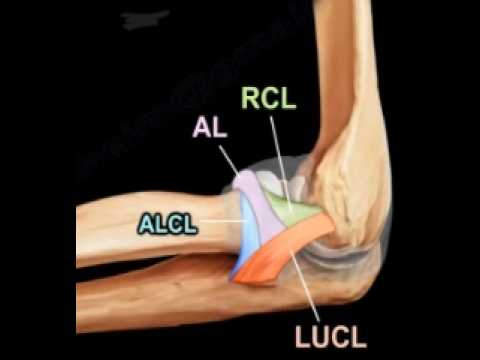
Ligaments of the Elbow Stability
Nabil Ebraheim
views: 1030

Lymphatic Drainage of the Head and Neck
Akram Jaffar
views: 1958
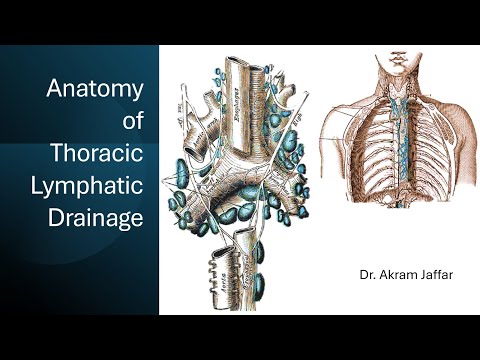
Anatomy of Thoracic Lymphatic Drainage
Akram Jaffar
views: 1810