Are you Health Professional?
Register now, join the community for free access.
GET ALL THE BENEFITS THAT MEDTUBE PLATFORM OFFERS:
- Unlimited access to the largest e-library of professional videos, images, publications, courses
- Connect with peers 450,000+ Healthcare Professionals from 180 countries
- Upload and share your own cases, ask questions and discuss
- Create your professional profile and build personal recognition worldwide
- Stay up-to-date with innovative techniques, treatments, guidelines, discoveries in your fields of interest; be notified
- You are informed about innovative treatments, techniques and innovations in medicine

Don’t Rush Port Closure: Tips for Safe Laparoscopic Surgery

Case description
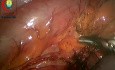
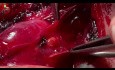
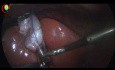
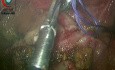
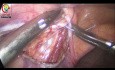
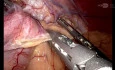
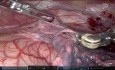
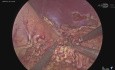
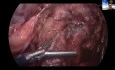
Good visualization is a key factor for safe performance in laparoscopic surgery. Towards the end of an operation, especially in long or major procedures, the surgeon may become fatigued, which can lead to underestimating seemingly simple steps such as port-site closure. Nevertheless, this step is critically important and should never be neglected. In long operations, surgeons may sometimes leave a port site (10 mm or larger) open without closure, or close it in a suboptimal position—as I did here—for either the surgeon (ergonomics) or the patient (positioning). This can result in poor visualization of critical structures, such as the inferior epigastric vessels, or inaccurate needle placement. In this video, it can be observed that I unfortunately performed the port-site closure under poor visualization, combined with improper patient positioning and suboptimal surgical ergonomics. This led to unintended needle entry into the inferior epigastric vessels, causing bleeding. This bleeding required additional time to control. Nevertheless, it can be commended that I took the necessary time to ensure complete hemostasis. I also waited an extra period after achieving hemostasis to confirm that the cessation of bleeding was not due to hypotension, but occurred under stable patient blood pressure.