Are you Health Professional?
Register now, join the community for free access.
GET ALL THE BENEFITS THAT MEDTUBE PLATFORM OFFERS:
- Unlimited access to the largest e-library of professional videos, images, publications, courses
- Connect with peers 450,000+ Healthcare Professionals from 180 countries
- Upload and share your own cases, ask questions and discuss
- Create your professional profile and build personal recognition worldwide
- Stay up-to-date with innovative techniques, treatments, guidelines, discoveries in your fields of interest; be notified
- You are informed about innovative treatments, techniques and innovations in medicine

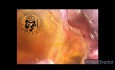
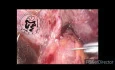
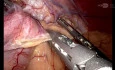
Mastering Heller Myotomy: Preserving the Anterior Vagus Nerve During Laparoscopic Heller Myotomy

Case description
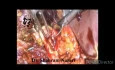
During Heller myotomy, preservation of the anterior vagus nerve is a critical step that directly impacts postoperative gastric function. The anterior vagus nerve runs along the anterior surface of the distal esophagus and continues onto the stomach, where it contributes significantly to gastric motility and pyloric function. Because it is often thinner and more delicate than the posterior trunk, it is particularly vulnerable during esophageal mobilization and gastric extension of the myotomy. Careful identification before initiating the anterior dissection is essential to prevent inadvertent traction, thermal injury, or transection. Gentle blunt dissection combined with minimal use of energy devices near the nerve helps ensure its integrity. Surgeons must remain constantly aware of its course, especially when extending the myotomy 2–3 cm onto the gastric wall. Injury to the anterior vagus nerve may result in delayed gastric emptying and postoperative dysmotility. Therefore, meticulous technique and deliberate nerve preservation are fundamental components of a successful laparoscopic Heller myotomy.
This user also sharing
Hourglass Gallbladder
Shahram Nazari
views: 17929
Phrygian Cap Gallbladders
Shahram Nazari
views: 25658