Are you Health Professional?
Register now, join the community for free access.
GET ALL THE BENEFITS THAT MEDTUBE PLATFORM OFFERS:
- Unlimited access to the largest e-library of professional videos, images, publications, courses
- Connect with peers 450,000+ Healthcare Professionals from 180 countries
- Upload and share your own cases, ask questions and discuss
- Create your professional profile and build personal recognition worldwide
- Stay up-to-date with innovative techniques, treatments, guidelines, discoveries in your fields of interest; be notified
- You are informed about innovative treatments, techniques and innovations in medicine

Achieving Adequate Intra-Abdominal Esophageal Length and Tailored Cruroplasty in Laparoscopic Hiatal Hernia

Case description
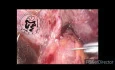
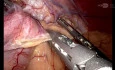
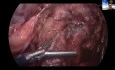
After careful adhesiolysis between the esophagus and mediastinal structures, adequate mobilization of the distal esophagus is achieved to obtain approximately 1.5–2 cm of tension-free intra-abdominal esophagus. This step is critical to reduce the risk of postoperative hernia recurrence and reflux-related complications. Once satisfactory esophageal length is confirmed, posterior cruroplasty is performed using two to three interrupted sutures. The crural closure is intentionally not overly tight, allowing physiological movement of the esophagus while maintaining hiatal competence. Excessive narrowing of the hiatus is avoided to reduce the risk of postoperative dysphagia. This video demonstrates the balance between sufficient esophageal length and a tailored, non-constricting cruroplasty. The technique emphasizes anatomy-driven repair rather than rigid measurements.
This user also sharing
Hourglass Gallbladder
Shahram Nazari
views: 17917
Phrygian Cap Gallbladders
Shahram Nazari
views: 25648