Are you Health Professional?
Register now, join the community for free access.
GET ALL THE BENEFITS THAT MEDTUBE PLATFORM OFFERS:
- Unlimited access to the largest e-library of professional videos, images, publications, courses
- Connect with peers 450,000+ Healthcare Professionals from 180 countries
- Upload and share your own cases, ask questions and discuss
- Create your professional profile and build personal recognition worldwide
- Stay up-to-date with innovative techniques, treatments, guidelines, discoveries in your fields of interest; be notified
- You are informed about innovative treatments, techniques and innovations in medicine

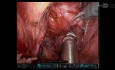
Robotic Retroperitoneal Lymph Nodes Removal
Loading player ... The player requires Flash Player plugin

Case description
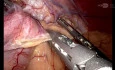
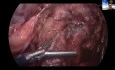
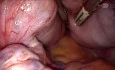
Aim: It is a description of the robotically-assisted method of of the right retroperitoneal lymphadenoctomy in a patient with a testicular germ cell tumor. Case report: A 20-year old male suffered from a testicular germ cell tumor in stadium 1A. All steps of the intervention are showed in the chronological order: first patient positioning (right modified flank position), port placement and robot preparing, then the retriperitoneal space exposure. Once cava identified, the excision was made within the following margins: laterally-right ureter, superior rim-renal artery, anteriorly-aorta and inferiorly-right common iliac artery. Outcome: After 180 min of the surgery, with a blood volume loss 150 ml, the 13 lymph nodes were excised. All resulted negative for cancer. The patient went home the second day after procedure, recovered without any complications. Conclusions: Robotic intervention is a safe and effective option. Nevertheless, all patients should be qualified carefully. The dexterity and better visibility improved precision of suturing. Authors: lek.Christopher Whelan, lek. Timothy Wilson, lek. David Josephson.