Are you Health Professional?
Register now, join the community for free access.
GET ALL THE BENEFITS THAT MEDTUBE PLATFORM OFFERS:
- Unlimited access to the largest e-library of professional videos, images, publications, courses
- Connect with peers 450,000+ Healthcare Professionals from 180 countries
- Upload and share your own cases, ask questions and discuss
- Create your professional profile and build personal recognition worldwide
- Stay up-to-date with innovative techniques, treatments, guidelines, discoveries in your fields of interest; be notified
- You are informed about innovative treatments, techniques and innovations in medicine

Tilt Table Test
Case description
A tilt table test (TTT), occasionally called upright tilt testing (UTT), is a medical procedure often used to diagnose dysautonomia or syncope. Patients with symptoms of dizziness or lightheadedness, with or without a loss of consciousness (fainting), suspected to be associated with a drop in blood pressure or positional tachycardia are good candidates for this test.
The procedure tests for causes of syncope by attempting to cause syncope by having the patient lie flat on a special table or bed and then be monitored with ECG and a blood pressure monitor that measure continuous, beat to beat, non-invasively. The table then creates a change in posture from lying to standing.
A tilt table test can be done in different ways and be modified for individual circumstances. In some cases, the patient will be strapped to a tilt table lying flat and then tilted or suspended completely or almost completely upright (as if standing).
Most of the time, the patient is suspended at an angle of 60 to 80 degrees. Sometimes, the patient will be given a drug, such as glyceryl trinitrate (nitroglycerin) or isoproterenol, to create further susceptibility to the test.
In all cases, the patient is instructed not to move. Symptoms, blood pressure, pulse, electrocardiogram, and sometimes blood oxygen saturation are recorded. The test either ends when the patient faints or develops other significant symptoms, or after a set period (usually from 20 to 45 minutes, depending on the facility or individualized protocol)

This user also sharing

Coronary Angiogram
views: 26126

Spirometry: How to Take a Lung Function Test
views: 13971
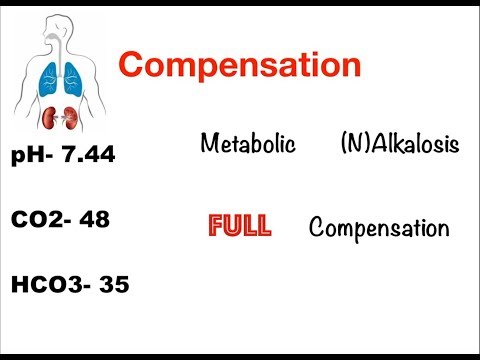
ABG Interpretation (basic): Easy and Simple
views: 8665
Caesarean Section (LSCS)
views: 23186

Caesarean Section with Twins
views: 34533
Recommended

Left Atrial Appendage by 3D TEE
Mohammed Zidan
views: 162

Cleft Anterior Leaflet of MV
Mohammed Zidan
views: 440