Neurology training
Enhance your understanding of neurology with expert-led videos. Explore brain and nervous system disorders, diagnostic approaches, and advancements in neurological research.
Introduction to Neurology
Neurology is a vital medical specialty focused on diagnosing and treating disorders of the nervous system, including the brain, spinal cord, and peripheral nerves. Neurologists, the specialists in this field, manage a wide array of conditions such as epilepsy, stroke, and neurodegenerative diseases through both clinical assessments and advanced diagnostic techniques.
Neurology Training Programs
Graduate Medical Education
Graduate medical education in neurology is designed to provide comprehensive training for aspiring neurologists. This education typically begins after completing medical school and an internal medicine internship, lasting one year. Medical students interested in neurology often participate in neurology training during their rotations to gain foundational knowledge in the field.
Neurology Residency Program
The neurology residency program is a critical phase in the training of a neurologist. This three-year program involves extensive clinical training in outpatient clinics and teaching hospitals, where residents gain hands-on experience in diagnosing and treating neurological conditions. The program covers various subspecialties, including vascular neurology, clinical neurophysiology, and neurocritical care. Residents also engage in history taking, conducting neurological examinations, and performing procedures like lumbar punctures.
Subspecialty Fellowships
After completing a residency, neurologists may pursue further specialization through fellowship programs in areas such as neuromuscular medicine, brain injury medicine, and sleep medicine. These programs provide additional training and expertise, enabling neurologists to address more complex neurological disorders effectively.
The Role of Neurologists
Diagnosis and Treatment
Neurologists are adept at diagnosing a variety of neurological conditions using clinical assessments, imaging studies, and specialized tests. Common conditions treated include multiple sclerosis, epilepsy, and neurodevelopmental disabilities. Neurologists develop comprehensive treatment plans that often involve collaborative care with other healthcare professionals, such as physical therapists, neurosurgeons, and psychiatrists.
Board Certification and Accreditation
Achieving board certification is a significant milestone for neurologists. The Accreditation Council oversees the certification process, ensuring that neurologists meet high standards of competency and professionalism. Many neurologists also pursue continuous education and training to stay updated with advancements in the field.
Academic Medicine and Research
Teaching and Education
Neurologists often play a crucial role in academic medicine, contributing to the education of the next generation of medical professionals. They participate in lectures, clinical instruction, and conferences, sharing their knowledge and experience with medical students, residents, and postgraduate students.
Research and Innovation
Research is a cornerstone of neurology, driving advancements in the diagnosis and treatment of neurological disorders. Neurologists engage in individual research and scholarly activity to explore new therapies and improve patient outcomes. Innovations such as disease-modifying therapies for multiple sclerosis and deep brain stimulation for movement disorders are examples of how research is transforming neurology.
Neurology Departments and Clinical Practice
University and Hospital Settings
Neurology departments within universities and hospitals are centers of excellence for both clinical practice and research. Teaching hospitals provide an environment where neurologists, residents, and medical students can collaborate on complex cases and innovative treatments. These departments also offer outpatient clinics for patient care and virtual tours for educational purposes.
Patient Care
Neurologists strive to improve the quality of life for their patients by managing symptoms and preventing complications. They utilize a patient-centered approach, considering multiple factors in their treatment plans. Clinical practice involves not only treating diseases but also educating patients and their families about managing neurological conditions effectively.
Conclusion
Neurology is a dynamic and essential field within the medical specialties, dedicated to understanding and treating disorders of the nervous system. Through rigorous training, innovative research, and comprehensive patient care, neurologists play a pivotal role in enhancing neurological health and advancing the field of neuroscience. Aspiring neurologists and medical students interested in this specialty can look forward to a rewarding career that combines clinical excellence with a commitment to lifelong learning and patient care.


Medulla Oblongata Syndromes
This video explains medulla oblongata syndromes - medial and lateral medullary syndrome, medullary lesions.
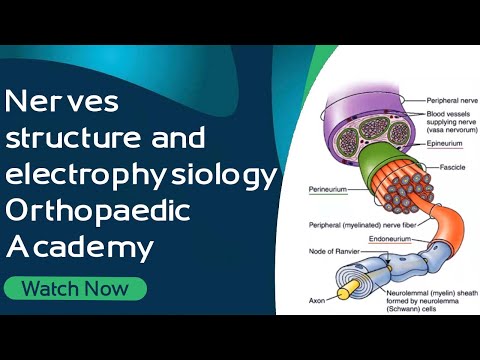
Nerves Structure and Electrophysiology
David Hughes - The presentation is about nerves' anatomy, basic sciences, and neurophysiology. - The speaker discusses nerve structure, including the different components such as epineurium, endoneurium,...
Nerve Physiology, NCS and Nerve Injury
Rishi Dhir - the lecture is about nerve physiology, nerve injuries, and their classification. - The nervous system has three parts: the central, peripheral, and autonomic nervous systems. - The neuron...
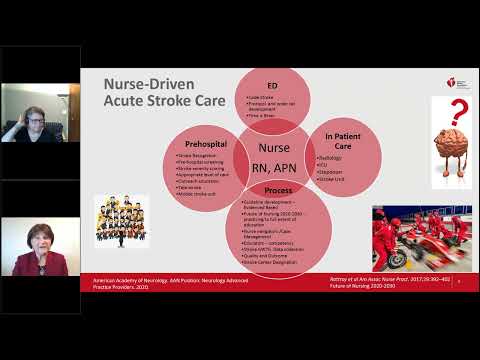
Nursing’s Role in Successful Stroke Care Transitions...
Join the American Heart Association as Dr. Michelle Camicia, PhD RN CRRN CCM NEA-BC FARN FAHA FAAN and Dr. Barbara Lutz, PhD, RN, CRRN, PHNA-BC, FAHA, FAAN discuss cross-setting issues in stroke care,...

Hemorrhagic Stroke Case Studies
Mark Etherton, MD, PhD, MGH Stroke Neurologist and Instructor of Neurology at Harvard Medical School, will help attendees develop their clinical reasoning skills by examining stroke patient scenarios.
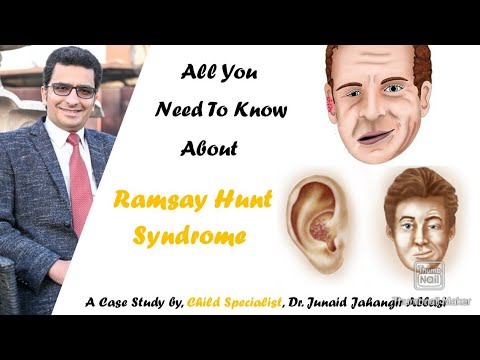
Ramsay Hunt Syndrome - Case Study
Ramsay Hunt syndrome (RHS) is a rare neurological disorder characterized by paralysis of the facial nerve (facial palsy) and a rash affecting the ear or mouth. Ear abnormalities such as ringing in the...
What is Lewy Body Disease?
Lewy body disease is an age-related disease that slowly damages the brain. It’s a spectrum disease, which means it can be found in people with Parkinson’s disease. People with Lewy body disease...

Frontotemporal Dementia - Overview
In this video speaker discusses with details the current advances in frontotemporal dementia (FTD) and its overlap with motor neurone disease (MND). Video by Neuroscience Research Australia - NeuRA
Hoover Sign
Hoover sign is used to differentiate between the organic and functional weakness of pyramidal origin. In this video the Hoover's Test was done on a stroke patient and a suspected stroke patient with nonspecific...

Introduction to Multiple Sclerosis by Geometric...
This medical animation shows how T cells cross the blood brain barrier and attacks the myelin. When the myelin is lost, the axons can no longer effectively conduct signals. Multiple sclerosis (MS) is...

Important Topics of Neuroanatomy for 1st year...
In this video I completely explain the Important topics of Neuroanatomy for first year BDS Students If students cover these important topics they will get good marks and grades in exam.

Myotonia Congenita
25 year old boy presenting with myotonia, classically evident in tongue as well as diver bombing pattern on EMG.

Bell's Palsy, Post Herpetic Neuralgia and...
In this video you can learn topics about disorders of peripheral nerves - anatomy of some parts of nervous system, symptoms of the diseases, diagnosis, treatment. Speaker Semira Ramic, DO, Neurology...
Understanding Parkinson's disease
Parkinson's disease is a neurological condition that affects the brain and other parts of the nervous system. The gradual loss of nerve cells leads to a suite of characteristic motor and non-motor symptoms....


Users


Channels
-

UCD Medicine
medical institution
-

High Impact - Medical Animation
medical institution
-

Alila Medical Media
medical institution
-

Amerra - Advanced Medical Visualizations
medical institution
-

Neurologic Exam Videos
medical institution
Popular

Huntington's Disease - Patient
UCD Medicine
views: 24042
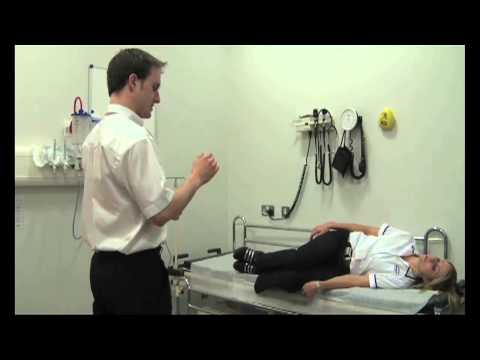
The Brandt-Daroff Exercise
UCD Medicine
views: 18495
Cranial Nerve Examination
Geeky Medics
views: 18352

Upper Limb Neurological Examination
Geeky Medics
views: 17383
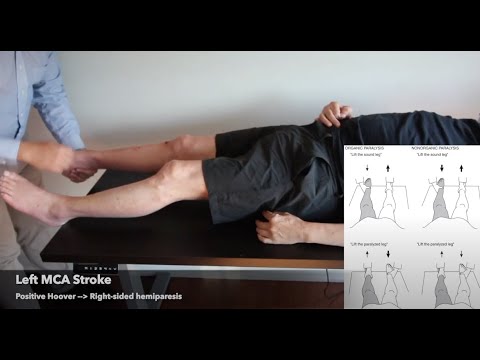
Hoover Sign
views: 10853
Recently active users
-

Orthopaedic Academy
medical institution
-
Natalia D
MD
-

-

-

Dr Alam Din
other
Are you Health Professional?
Register now, join the community for free access.
GET ALL THE BENEFITS THAT MEDTUBE PLATFORM OFFERS:
- Unlimited access to the largest e-library of professional videos, images, publications, courses
- Connect with peers 450,000+ Healthcare Professionals from 180 countries
- Upload and share your own cases, ask questions and discuss
- Create your professional profile and build personal recognition worldwide
- Stay up-to-date with innovative techniques, treatments, guidelines, discoveries in your fields of interest; be notified
- You are informed about innovative treatments, techniques and innovations in medicine