Endodontics procedures
Gain valuable insights into conservative dentistry and endodontics. Explore techniques for preserving natural teeth and learn about root canal procedures from experts.
Introduction to Endodontics
Endodontics is a dental specialty focused on the diagnosis, prevention, and treatment of diseases affecting the dental pulp and surrounding tissues. Specialists in this field, known as endodontists, are dedicated to preserving natural teeth through various endodontic procedures, with a primary emphasis on root canal treatment.
Core Endodontic Procedures
Root Canal Treatment
One of the most common endodontic procedures is the root canal treatment, which involves the removal of infected pulp from the tooth. The procedure includes cleaning, disinfecting, and sealing the pulp chamber and root canals to prevent further infection. Root canal treatments are essential for alleviating tooth pain and preserving the natural tooth.
Steps in Root Canal Procedure
-
Diagnosis: The endodontist examines the tooth and conducts imaging tests to diagnose pulp inflammation or infection.
-
Anesthesia: Local anesthetic is administered to ensure the patient experiences no pain during the procedure.
-
Isolation: A dental dam is used to keep the tooth dry and free from saliva.
-
Access Opening: The endodontist creates an opening in the tooth to access the pulp chamber and root canals.
-
Cleaning and Shaping: Infected tissue and debris are removed, and the canals are shaped.
-
Filling: The cleaned canals are filled with a biocompatible material, typically gutta-percha.
-
Sealing: The access opening is sealed with a temporary filling.
Endodontic Surgery
When conventional root canal treatment is insufficient or when an endodontically treated tooth does not heal properly, endodontic surgery may be necessary. This includes procedures like apicoectomy, where the root tip and surrounding infected tissue are removed to promote healing.
Root Canal Retreatment
Root canal retreatment is performed when a previously treated tooth develops new infection or fails to heal as expected. This involves reopening the tooth, removing the old filling material, cleaning and disinfecting the canals again, and then resealing the tooth.
Common Conditions Treated in Endodontics
Endodontists treat a variety of conditions that affect the dental pulp and surrounding tissues, including:
-
Inflamed or Infected Tooth: Typically caused by deep decay, trauma, or cracks in the tooth.
-
Tooth Abscesses: Infections that spread to the underlying bone and gum tissues.
-
Cracked Tooth: A condition that may require root canal treatment to save the tooth and relieve severe pain.
Importance of Endodontic Treatment
Endodontic treatment treats and preserves the natural teeth, preventing the need for extraction and maintaining the integrity of the dental arch. Successful treatment allows patients to retain their natural teeth and restore chewing function.
Benefits of Endodontic Procedures
-
Relieve Pain: Addressing the source of tooth pain by treating the inflamed or infected pulp.
-
Prevent Complications: Early endodontic treatments prevent the spread of infection and avoid additional surgery.
-
Preserve Natural Teeth: Maintaining the patient's natural teeth helps in preserving proper bite alignment and oral function.
Advances in Endodontic Techniques
Recent advances in endodontics have enhanced the precision and success of treatments. These include:
-
Imaging Technologies: Enhanced diagnostic tools such as digital radiography and 3D imaging for accurate assessment of the tooth’s condition.
-
Magnification Tools: Use of dental microscopes for detailed visualization during procedures.
-
Biocompatible Materials: Advanced materials that improve the longevity and effectiveness of dental restorations.
Comprehensive Care and Patient Management
Preoperative and Postoperative Care
Endodontists emphasize the importance of proper care before and after procedures to ensure successful outcomes. Endodontist's instructions carefully guide patients on maintaining oral hygiene and preventing complications.
Collaboration with General Dentists
General dentists often refer patients to endodontists for specialized care. Post-treatment, the endodontist coordinates with the general dentist to ensure that the treated tooth is properly restored and monitored.
Education and Training
Dental School and Residency Programs
Extensive training in dental school and specialized residency programs prepares endodontists to perform complex procedures. Continuous education keeps them updated on the latest advancements and techniques in the field.
Importance of Continuous Learning
Healthcare professionals and medical students can benefit from engaging with endodontics procedures and endodontic surgery videos. These resources provide a deeper understanding of the practices and challenges in endodontics, enhancing their ability to diagnose and treat complex cases effectively.
Conclusion
Endodontics is a crucial specialty within dentistry that focuses on saving natural teeth and alleviating dental pain through precise and effective treatments. By understanding and performing endodontic procedures, healthcare professionals can significantly improve patient outcomes and maintain oral health. Continuous learning and adherence to advanced techniques ensure that endodontists remain at the forefront of dental care, providing optimal solutions for their patients.


Calcification Opening with EDM
This video is about calcification management with EDM files. 25one file to open the calcification and max curve sequence.


Before the Breaking Point - Mental Health and...
Why does dentistry have such high levels of stress and burnout? Why do so many clinicians feel isolated despite working in busy practices? What are the early warning signs that a colleague might be struggling?...


S-shaped Canals Glide Path and Instrumentation...
This clinical video is about instumentation in endodontics.

Bypassing a Broken File and Removal in Pieces
Endodontic clinical video: bypassing a broken file and removal in pieces.

1 Minute Canal Blockage Clinical Tips
When you need space to manipulate your hand files, you can mount them in the Venta endo handle and work under the microscope without having your fingertips blocking your vision. For calcified canal orifices...

1 Minute Clinical Canal Blockage Tips
Whenever you suspect aberrant anatomy in the mesial root of mandibular molars, transillumination might be very helpful to detect extra hidden canals. In this video a special intracanal transillumination...

Vertical Dimension - Don't Be Scared!
Are you still afraid of raising the Vertical Dimension? You cannot break free from the shackles of single tooth Dentistry if you don’t get comfortable with vertical dimensions changes in Restorative...

Regenerative Endodontics & Vital Pulp Therapies...
This video is about regenerative endodontics & vital pulp therapies under the microscope hands-on course.

Endodontic Microsurgical Management of a Blocked...
Endodontic technique video: endodontic microsurgical management of a blocked apex with perforation.


Users
-

Ashley Mark
MD
-

-

Jaz Gulati
DMD
-

Marco Versiani
MD, PhD - Assistant Professor
-

Channels
-

Barts and the London School of Medicine and Dentistry
medical institution
-

Amerra - Advanced Medical Visualizations
medical institution
-

Gastroenterology Atlas
medical institution
-

SAGES - Society of American Gastrointestinal and Endoscopic Surgeons
medical institution
-

High Impact - Medical Animation
medical institution
Popular
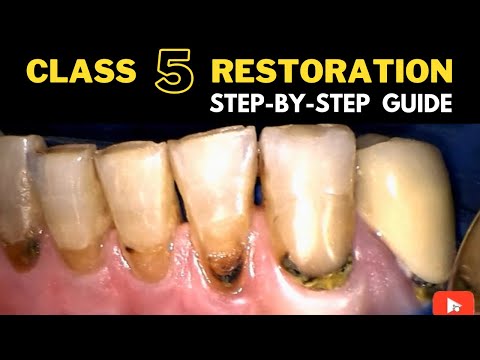
Class V Composite Restoration Procedure Guide
views: 7877
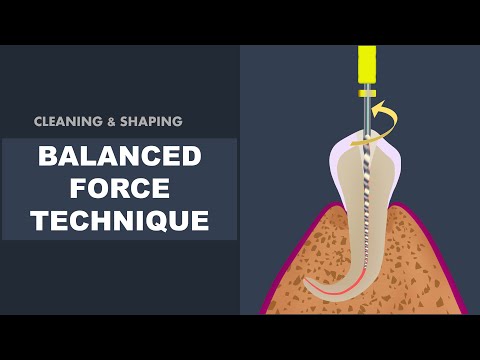
Balanced Force Technique | Cleaning and Shapi...
views: 2927
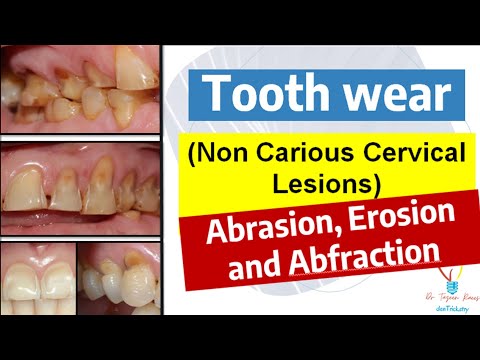
Tooth Wear | Non Carious Cervical Lesions
views: 2521
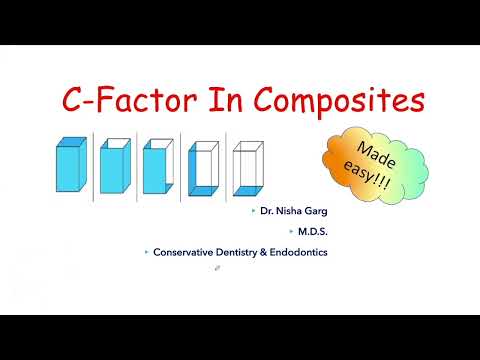
C-factor In Composites - Part 1
views: 2436
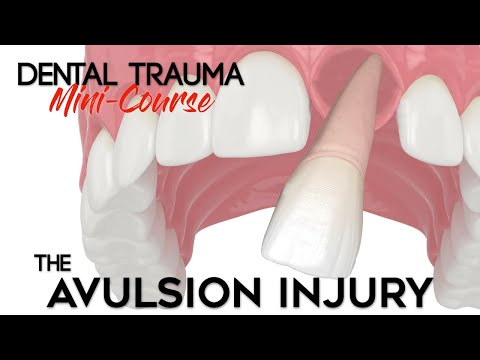
Dental Trauma Mini-Course - Part 12 - Dental...
views: 2206
Recently active users
-

Ariel Savion
DMD
-
Jaz Gulati
DMD
-

-

David Gerdolle
DMD
-
Are you Health Professional?
Register now, join the community for free access.
GET ALL THE BENEFITS THAT MEDTUBE PLATFORM OFFERS:
- Unlimited access to the largest e-library of professional videos, images, publications, courses
- Connect with peers 450,000+ Healthcare Professionals from 180 countries
- Upload and share your own cases, ask questions and discuss
- Create your professional profile and build personal recognition worldwide
- Stay up-to-date with innovative techniques, treatments, guidelines, discoveries in your fields of interest; be notified
- You are informed about innovative treatments, techniques and innovations in medicine