Clinical pharmacology course
Comprehensive Overview of Clinical Pharmacology
Introduction to Clinical Pharmacology
Clinical Pharmacology is a translational scientific discipline focused on rational drug development and utilization. It bridges the gap between laboratory research and clinical practice, ensuring the safe and effective use of medications in patients. The discipline emphasizes understanding drug actions, interactions, and effects to promote evidence-based and patient-centered drug therapy.
Scope and Importance of Clinical Pharmacology
Fundamentals of Clinical Pharmacology
At its core, clinical pharmacology focuses on the pharmacokinetics (absorption, distribution, metabolism, and excretion of drugs) and pharmacodynamics (drug effects and mechanisms of action). Understanding these principles is essential for healthcare professionals, including physicians, nurses, and pharmacy students, to ensure safe and effective medication use.
Rational Drug Development
A critical aspect of clinical pharmacology is its role in drug discovery and development. The field fosters rational drug development by integrating knowledge of disease mechanisms, pharmacology, and patient variability. This approach minimizes adverse effects and maximizes therapeutic benefits.
Clinical Pharmacology in Practice
Drug Discovery and Clinical Trials
The journey from drug discovery to clinical trials involves rigorous testing and evaluation. Clinical pharmacologists design and conduct clinical research to assess drug safety, efficacy, and optimal dosing. Their work is crucial in identifying treatments for both common and rare diseases.
Special Populations and Precision Medicine
Clinical pharmacology focuses on tailoring drug therapy for special populations such as children, the elderly, and patients with comorbid conditions. Advances in pharmacogenomics and precision medicine enable personalized treatment strategies that account for individual genetic differences, enhancing drug safety and efficacy.
Educational Opportunities in Clinical Pharmacology
Clinical Pharmacology Courses and Programs
A variety of clinical pharmacology courses are available for medical and pharmacy students, graduate students, and other healthcare professionals interested in advancing their knowledge. Programs like the Principles of Clinical Pharmacology (PCP) course, supported by the National Institutes of Health, offer a structured curriculum on:
-
Drug discovery and development
-
Pharmacological principles
-
Drug metabolism and pharmacokinetics
Online and Self-Paced Learning
Participants can access online lecture series, course materials, and a brief introductory video to get started. The self-paced format ensures flexibility, allowing participants to integrate learning into their schedules. After completing lectures, post-lecture activities and case studies provide practical insights.
Final Assessments and Certification
Registered participants are expected to complete an online final exam, assessing their understanding of fundamentals of clinical pharmacology. Upon successful completion, participants receive certification, which may include continuing medical education (CME) credits.
Clinical Pharmacology’s Role in Patient Care
Optimizing Drug Utilization
Clinical pharmacologists work closely with clinicians, nurses, and pharmacists to ensure rational drug utilization. Their expertise supports the development of effective medication regimens for diverse patient populations.
Addressing Adverse Effects and Drug Interactions
Clinical pharmacologists play a vital role in monitoring and managing adverse drug reactions. They also provide guidance on minimizing drug interactions, ensuring patient safety in complex therapeutic regimens.
Impact on Public Health and Regulation
Beyond individual patient care, clinical pharmacologists contribute to the regulation and monitoring of medications at a population level. They collaborate with the pharmaceutical industry and regulatory agencies to establish guidelines and improve drug safety.
Advancing Clinical Pharmacology Knowledge
Access to Resources
Healthcare professionals can access an extensive range of resources, including academic institutions, online courses, and structured programs like the Advanced Clinical Pharmacology Course. These resources help develop a strong pharmacology knowledge base for effective clinical practice.
Integration of Case Studies and Real-World Applications
Participants engage in case studies and practical scenarios to apply their knowledge in clinical settings, enhancing their ability to address complex patient needs.
The Future of Clinical Pharmacology
Innovations in Drug Development
Emerging technologies and advancements in pharmacology are revolutionizing drug discovery and therapeutic approaches. Clinical pharmacologists remain at the forefront, driving innovation and improving health outcomes.
Global Impact of Clinical Pharmacology Education
With programs offered by leading academic institutions and organizations like the Endocrine Society, the field continues to expand globally. Students and professionals in locations like New Delhi and beyond benefit from accessible and high-quality education in clinical pharmacology.
Conclusion
Clinical pharmacology is a cornerstone of modern medicine, providing the foundation for rational drug development, drug therapy, and patient-centered care. By participating in a clinical pharmacology course or training program, healthcare professionals can gain the knowledge and skills necessary to improve patient outcomes and advance their careers. Explore online courses, access valuable course materials, and achieve certification to enhance your expertise in this dynamic field.


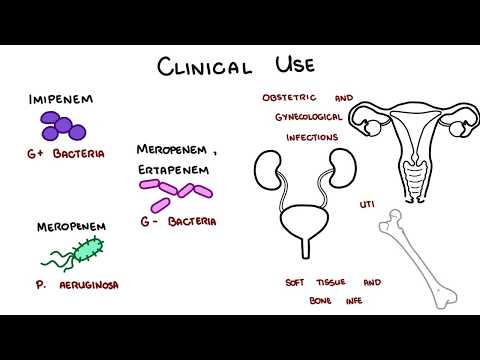
Carbapenem Antibiotics - Meropenem, Imipenem,...
Explore the carbapenem class of antibiotics, including Meropenem, Imipenem, and Ertapenem, known for their broad-spectrum activity against resistant bacteria. This video explains their mechanisms of action,...
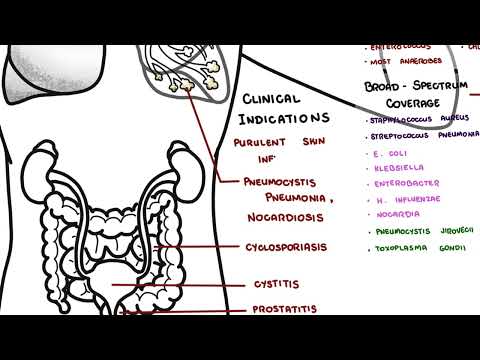
Bactrim (Trimethoprim–Sulfamethoxazole) Explained:...
Bactrim, also known as trimethoprim–sulfamethoxazole (TMP-SMX), is a commonly prescribed antibiotic used for urinary tract infections (UTIs), respiratory tract infections, Pneumocystis pneumonia...
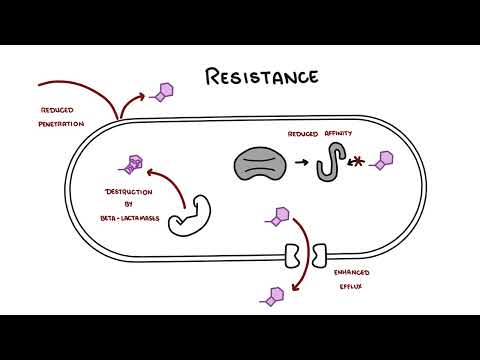
Cephalosporins Made Simple - Generations, Mechanism...
Explore cephalosporins, a widely used class of β-lactam antibiotics, including their mechanism of action, spectrum of activity, and classification into generations. This video covers clinical uses,...
Medications During Breastfeeding: Guidelines...
In this video there are presented some issues related to use of medications while breastfeeding. There are few factors, which determine drug passage to the milk, like molecular weight, drug concentration,...

Routes of Drug Administration||Routes of drug...
In this video I completely explain the Routes of drug administration in English language I cover the all routes of Drug Administration in detail video
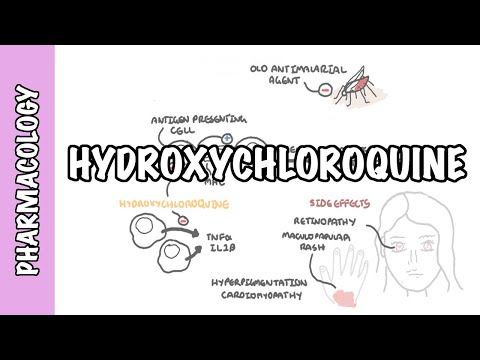
Hydroxychloroquine (DMARD) - Pharmacology, Mechanism...
Buy PDFs here: http://armandoh.org/shop "Hydroxychloroquine (plaquenil) is an old antimalarial agent that has immunomodulatory effects widely used in SLE, in which it decreases mortality and the...

Antibiotics
The material presents antibiotics. Medical Animations by High Impact Graphics. Learn more at HighImpact.com or give us a call at 800-749-2184.
Users
-

-

-

swapnil katiyar
other
-

Dr Alam Din
other
-

Mariam Rafla
MD
Channels
-

High Impact - Medical Animation
medical institution
-

Reuters Events Health
medical institution
-

Gastroenterology Atlas
medical institution
-

SAGES - Society of American Gastrointestinal and Endoscopic Surgeons
medical institution
-

Orthopaedic Academy
medical institution
Recently active users
-

-
Dr Alam Din
other
-
-
High Impact - Medical Animation
medical institution
Are you Health Professional?
Register now, join the community for free access.
GET ALL THE BENEFITS THAT MEDTUBE PLATFORM OFFERS:
- Unlimited access to the largest e-library of professional videos, images, publications, courses
- Connect with peers 450,000+ Healthcare Professionals from 180 countries
- Upload and share your own cases, ask questions and discuss
- Create your professional profile and build personal recognition worldwide
- Stay up-to-date with innovative techniques, treatments, guidelines, discoveries in your fields of interest; be notified
- You are informed about innovative treatments, techniques and innovations in medicine