free oncology courses
Comprehensive Overview of Clinical Oncology
Introduction to Clinical Oncology
Clinical Oncology is a dynamic and multidisciplinary field dedicated to the diagnosis, treatment, and management of cancer. The specialty addresses both solid tumors and hematological malignancies, offering treatment options tailored to individual patient needs. The field combines advances in precision medicine, immunotherapy, and innovative treatment practices to improve patient outcomes and enhance quality of life.
Exploring Cancer Types and Treatment Modalities
Common Cancer Types
Clinical oncologists manage a wide range of malignancies, including:
-
Prostate cancer and advanced prostate cancer
-
Multiple myeloma
-
Other solid tumors
Each type of cancer requires specific diagnostic and therapeutic strategies to address its unique characteristics and progression.
Treatment Options
Treatment in clinical oncology incorporates a combination of modalities, such as:
-
Radiation therapy
-
Immunotherapy
-
Targeted therapies
These approaches are tailored to the type and stage of the cancer, aiming to maximize efficacy while minimizing adverse effects.
Advances in Clinical Oncology
Research and Innovation
The field of clinical oncology is driven by continuous progress in cancer research. Evidence-based practices are shaping modern oncology, with significant advances in:
-
Precision medicine, which uses genetic and molecular profiling to personalize treatments
-
Development of innovative immunotherapies
-
Strategies to address acute cancer-related conditions
Addressing Disparities and Equity
Efforts in clinical oncology also focus on addressing disparities in cancer care. By promoting equity, the field aims to reduce barriers to diagnosis and treatment, particularly in underserved populations.
Education and Resources for Clinicians
Free Oncology Courses and CME Opportunities
Healthcare professionals, including oncologists, nurses, nurse practitioners, pharmacists, and physician assistants, can access a variety of free oncology courses and continuing medical education (CME) opportunities. These programs include:
-
Comprehensive reviews of cancer types such as breast cancer and colorectal cancer
-
Strategies for managing advanced prostate cancer and multiple myeloma
-
Insights into addressing solid tumors
Participants can explore these current offerings through online platforms and on-demand lectures.
Flexible Learning Formats
Courses are designed to meet the needs of busy healthcare professionals. They include:
-
Online lecture series
-
Self-paced modules
-
Expert-led educational activities
-
Practical case studies
After completing a course, participants can review their knowledge through post-lecture quizzes and CE credit opportunities.
Multidisciplinary Collaboration in Oncology
Team-Based Care
Clinical oncologists work collaboratively with a diverse team of healthcare providers, including:
-
Surgeons
-
Radiologists
-
Pathologists
-
Pharmacists
This integrated approach ensures comprehensive care, from diagnosis to treatment and survivorship planning.
Role of Clinicians in Patient Care
Clinicians, including nurses, nurse practitioners, and physician assistants, play a crucial role in patient education, symptom management, and treatment adherence.
Practical Applications and Resources
Educational Activities for Skill Development
Healthcare professionals interested in expanding their oncology expertise can enroll in structured courses such as:
-
Fundamentals of Clinical Oncology
-
Advanced diagnosis and treatment strategies for specific cancers
-
Training in oncology nursing practices
Free Online Resources
Providers can view and download free oncology courses, offering access to:
-
Course content from expert instructors
-
Evidence-based guidelines for cancer management
-
Up-to-date information on clinical trials and novel therapies
Improving Cancer Care Outcomes
Patient-Centered Care
Clinical oncology emphasizes a patient-centered approach, focusing on individualized treatment plans and supportive care. By considering tumor biology, patient preferences, and treatment goals, oncologists strive to enhance quality of life and improve outcomes.
Advancing Equity in Oncology
Ongoing efforts in oncology education and practice aim to reduce healthcare disparities, ensuring equitable access to screening, treatment, and supportive services for all patients.
Getting Started in Clinical Oncology
For Interested Clinicians
Professionals can start their journey by:
-
Exploring free oncology courses on specialized platforms.
-
Reviewing current offerings tailored to specific areas of interest, such as advanced prostate cancer or solid tumors.
-
Completing foundational programs and earning CME or CE credits.
Conclusion
Clinical Oncology is a constantly evolving field that offers numerous opportunities for clinicians to advance their knowledge, address unmet needs in cancer care, and contribute to better health outcomes for patients worldwide. Start today by accessing online programs, expert-led resources, and multidisciplinary education to enhance your practice in oncology.


Personalized Medicine and Future of Genetic Testing...
VF Webinar Series- full title: Personalized Medicine and Future of Genetic Testing in Cancer- Diagnosis, Prognosis and Treatment "It's absolutely mind-blowing...it's exciting!" is how Professor...
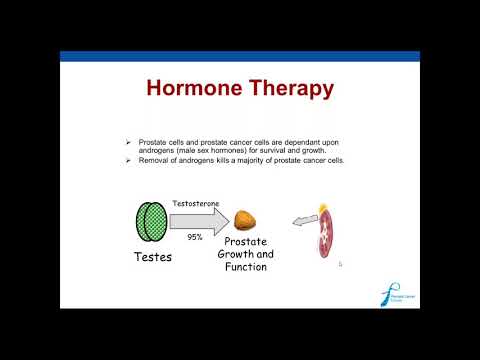
Pharmacotherapy for Patients with Advanced and...
This webinar introduces common drug treatments for advanced and metastatic prostate cancer. Dr Andrew Feifer discusses the role of testosterone and the androgen receptor in the development and growth...
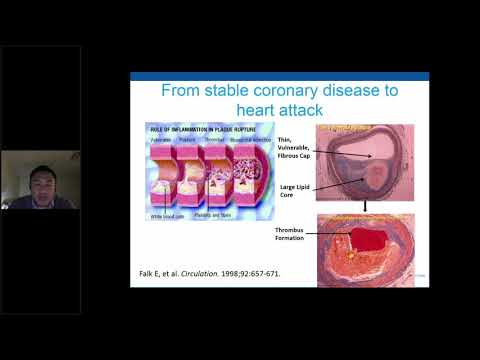
Cardiovascular Disease in Prostate Cancer
This webinar explores why the risk of heart disease often increases after a diagnosis of prostate cancer. Dr Darryl Leong describes what happens inside the body leading up to cardiovascular disease, how...
Cancer-Related Fatigue: Working Together to Improve...
Dr Scott North, a medical oncologist, discusses the most common causes of cancer-related fatigue and explains how doctors and their patients are treating it without medication using a personalized approach....
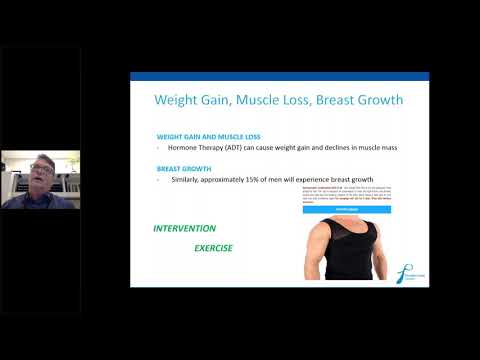
Managing the Side Effects of Hormone Therapy...
Hormone therapy (also known as androgen deprivation therapy) is one of the most common treatments used for metastatic prostate cancer – but it may cause unwanted side effects. Dr Andrew Matthew, a psychologist...
Quick Tips for VTE Prophylaxis for Ambulatory...
In this brief video, Dr. Jordan Schaefer discusses a new paradigm for VTE prophylaxis for the high thrombotic risk group of ambulatory medical oncology patients, which represent 15-20% of all patients...
Targeted Therapy in Non-Small Cell Lung Cancer
This animation provides an overview of targeted therapy for the treatment of non-small cell lung cancer (NSCLC). Targeted therapy is a cancer treatment directed towards specific mutations that drive cancer...

Lung Cancer (Part 2) - Treatment Updates
There is tremendous progress in lung cancer treatment including personalised treatment options. The targeted therapy uses a specific inhibitor against specific cancer genes, which provides higher response...

Lung Cancer (Part 1): 2021 Comprehensive Updates
Lung cancer is the second most common cancer and the leading cause of cancer death. At the beginning there are presented risk factors and screening methods. There is division for main types of lung cancer...

Colon and Rectal Cancer - Treatment Update
Video with information about treatment of colon and rectal cancer. It involves surgical resection (open and laparoscopic) : hemicolectomy, transverse colectomy, segmental colectomy, sigmoid resection...
How to Collect Your Faecal Immunochemical Test...
This helpful video shows you how to complete your Faecal Immunochemical Test (FIT). FIT is a stool test designed to identify possible signs of bowel disease. It detects minimal amounts of blood and if...
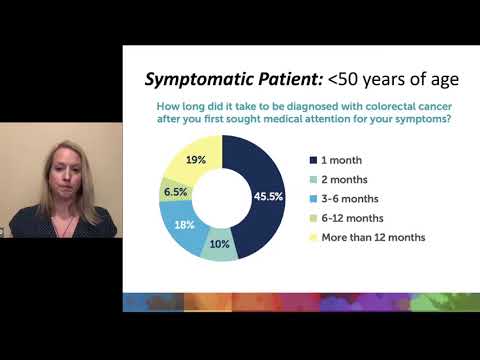
Colorectal Cancer - Incidence, Screening and...
Learning objectives in the video: • Review incidence of colorectal cancer and how this is changing for the young patient. • Review of current screening techniques, their efficacy and individualization...
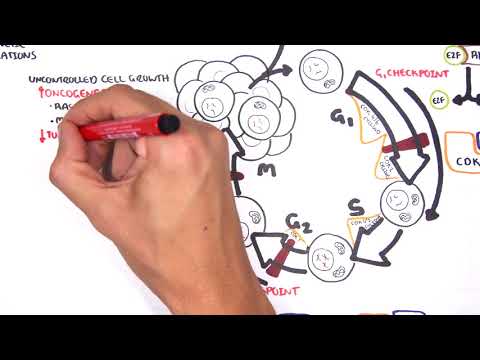
Oncogenetics - Mechanism of Cancer (Tumor Suppressor...
In this video we're going to talk about oncogenetics, tumor suppressor genes and oncogenes and their influence on cell cycle.
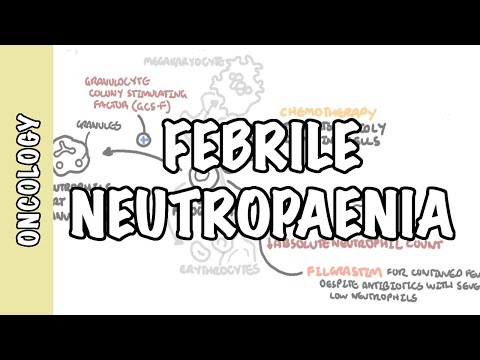
What Is Febrile Neutropaenia (Neutropenia)? -...
Buy PDFs here: http://armandoh.org/shop "Febrile Neutropenia - febrile is fever and neutropenia is low levels of immune cells called neutrophils. Febrile neutropenia is a complication that can occur...

Electrochemotherapy (ECT) in the Local Tumour...
Presented by Ulrich Humke at the "SMIT 2019 - New Technology Drives Medicine" conference in Heilbronn, Germany on October 10-11, 2019.


Users
-

Abdulhakim Omer Altamimi Al-Tamimi
MD, PhD - Assistant Professor
-

-

-
-

Channels
-

BioDigital Systems - 3D Medical Animations
medical institution
-

SMIT Congress
medical institution
-

Vattikuti Foundation
medical institution
-

Gastroenterology Atlas
medical institution
-

SAGES - Society of American Gastrointestinal and Endoscopic Surgeons
medical institution
Popular
Mastectomy
BioDigital Systems - 3D Medical Ani…
views: 27309
What is Cancer?
BioDigital Systems - 3D Medical Ani…
views: 12417
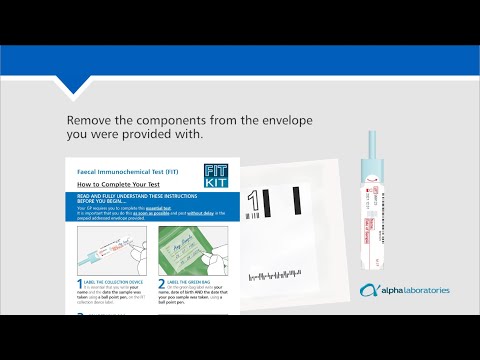
How to Collect Your Faecal Immunochemical Tes...
views: 3415

Targeted Therapy in Non-Small Cell Lung Cance...
views: 2483
Recently active users
-
Vattikuti Foundation
medical institution
-
Natalia D
MD
-

-
-
SMIT Congress
medical institution
Are you Health Professional?
Register now, join the community for free access.
GET ALL THE BENEFITS THAT MEDTUBE PLATFORM OFFERS:
- Unlimited access to the largest e-library of professional videos, images, publications, courses
- Connect with peers 450,000+ Healthcare Professionals from 180 countries
- Upload and share your own cases, ask questions and discuss
- Create your professional profile and build personal recognition worldwide
- Stay up-to-date with innovative techniques, treatments, guidelines, discoveries in your fields of interest; be notified
- You are informed about innovative treatments, techniques and innovations in medicine